2013年1月11日星期五

反思历史:从问"那时候你在做什么"开始

反思历史:从问"那时候你在做什么"开始

纪念柏林墙倒塌22年之际。"怎样面对历史"成为了多名中国知识分子和媒体人在柏林共同讨论的话题。德国海因里希-伯尔基金会是此次讨论会的发起者。

ARCHIV - Arbeiter erhöhen die Sektorensperre an der Bernauer Straße in Berlin 1961. Fast Abend für Abend war es an diesem und anderen Mauerabschnitten zu Zwischenfällen gekommen. Am 13. August 1961 wurde die Mauer in Berlin gebaut. Foto: dpa (zu dpa Chronologie vom 12.05.) nur s/w +++(c) dpa - Bildfunk+++

柏林墙

该会主持、德国汉学家史蒂曼(Tilman Spengler)在开场白中指出,正视个人和群体的记忆,并在此基础上看待历史是连接中德两国文化的共同话题。虽然德国前总理勃兰特40年前的华沙一跪显示了官方正视历史的态度,但德国真正开始正视第三帝国的历史是从家里的小孩向家长提出"那时候你在做什么"的问题时开始的。

与会的中国媒体人长平说,自从89年以后,中国对普通大众的教育采取了一种"去正义化"的教育。不讨论价值,只讨论效率问题。中国年轻一代完全接受了"天下乌鸦一般黑"的说法。于是媒体也采取了一种"去价值化"、"去正义化"、"去是非化"的隔岸观火的看客心态。

"去是非化"回顾历史

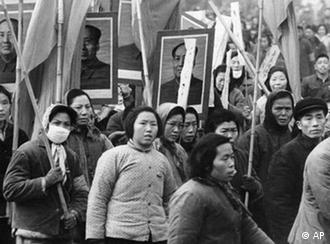
谈到正视中国的历史,文化大革命就成为了这一讨论中不可避免的话题。长平指出,面对文革历史,中国人有许多不同处理的方法,有很多人坚持一定要把自己知道的历史真相告诉子女。但就普通大众而言,确实存在"去是非化"的现象,缺乏对灵魂的讨论,缺乏对良知、正义的追问。大众会用轻巧的办法来解决问题。用举办像"知青无悔"这样的活动来把自己从历史责任中解脱出来。"父母们首先自己失去了考问良知的能力。所以如果孩子问,你在文革中都干了些什么?他们会说,我们在谈恋爱。我们下乡很苦,也很浪漫。把个人生命的情感色彩用来替代对政治、对历史的严肃的反思。 "

Chinese teachers and students shout cheers or long live chairman Mao expressing their intentions to support the cultural revolution on August 13, 1966 backed by Communist Party Central Committee. Young people are carrying portraits of Mao Tse-tung and replicas of books written by Mao are displayed at the rally in Peking. (AP Photo)文革中的中国

参加讨论的中国政法大学人文学教授金燕举了自己作为家长的例子。当她向自己的孩子解释文革历史时,孩子也会充满兴趣的了解与文革有关的许多内容。但同时问题也随之出现:孩子应该怎样在学校里就此作出解答?经常家长是给孩子解读的这一套答案在学校里就会被老师认为不合理,不合格。没有办法拿到应该得的分数。这给孩子造成了困惑,经常问家长:"到底我们要听谁的?听老师的,还是听家长的。"在这种状况下,金燕无法让孩子撒谎,只能告诉孩子,如果你为了升学,你可以按照老师的标准答案。这个标准答案是完全统一的。只有这一个口径,不能有多元的解读。但是,你要知道,这不是真相,是被遮蔽掉的历史。

在谈起向孩子讲历史的经历中,《炎黄春秋》总编吴思介绍说,他当过红卫兵,还当过上山下乡的知识青年,并听说当年纳粹也干过这样的事情,把青年送到农村去劳动。对他的这些经历,27岁的女儿并不感兴趣,因为她对挣钱特别的感兴趣,所以他就只能把自己的读者们当成女儿,向他们讲述不得不说的事情。

吴思介绍说,中国有许多媒体都在越来越多的揭露文革时期的真相。官方并不是每次都予以压制。另外,特别容易松动的领域就是互联网,网上有非常多的,各种各样的文章,多的让读者和审查者都看不过来。于是,如果有一个中国的孩子,对文革或者是对大跃进、反右运动感兴趣,他经常能在网上看到这类的文章。但涉及 89、64的文章还属于相当敏感并在互联网上看不到的内容。

正视历史,尊重历史,反思历史,以史为鉴

长平指出,人们应该首先做到正视历史,尊重历史,然后才谈的上反思历史,只有充分的反思之后,才能以史为鉴。而现在的中国在面对辛亥革命后的历史时,还谈不上已经进入了第一个,也就是正视历史的阶段。而正视历史其实有许多模式:" 比如南非的'真相与和解'是一种模式。就是告诉真相,也许我会原谅。德国对东德历史问题的处理更多倾向于要承担责任。这也是一种模式。我不认为中国人比其他人更不懂得怎么原谅,我甚至认为由于中国文化,大家对特权阶层其实多多少少有一种认可。就是说,你可以特殊化一点点,你可以多占一点,但是你不能够过分。在这种情况下,也许中国人比其他的民族更善于原谅。"

吴思认为,如果中国走类似于德国一样,能够尊重历史真相的道路。社会中的许多元素都可以成为推进这一进程的动力,包括家长、媒体、知识分子、教师都能成为这种动力的一部分。"人心都有向善的力量和求真的力量,比如说媒体。谁愿意满篇登的都是假话呢?哪个父母愿意骗孩子呢?如果不及利害关系的话,很多官员也会希望,比如他当父亲,他肯定希望跟孩子说的是他所了解的,最准确的历史。"

作者:任琛

责编:洪沙

  • 日期 09.11.2011

2013年1月2日星期三

Reform realities

Chang Ping says the muzzling of the Guangdong media in the five years under Wang Yang's rule thoroughly undermines his image as a trailblazing reformist leader

Tuesday, 01 January, 2013, 12:00am


Reform realities


Chang Ping


Wang Yang has never been far from the limelight during his five years as Guangdong party chief, so cue the headlines when he stepped down last month for another posting. Reviewing his own performance in the south, Wang said he "had not been lazy or deceptive, or tried to avoid facing up to problems".


This was solid praise indeed, rather different from the self-effacing assessment that senior officials usually give themselves at the end of a job. Unfortunately, in this case, the huge gap between reality and expectations does not quite warrant such self-confidence.


At the start of the Hu-Wen era 10 years ago, hopes were high that the government would finally initiate political reform. The first five years came and went without any action, but people said it must be because President Hu Jintao was still under the thumb of Jiang Zemin. Wait for the next five years, they said, when Hu would begin to consolidate his own power, and then China would see progress.


So when Wang took up the Guangdong posting, many saw him as Hu's special envoy, sent to the southern frontier to forge a new path of political reform for the nation.


Since then, Wang has become the poster boy for the reformist camp in the party and a darling of the media. His image as a reformer has endured even as the reputations of both Hu and Premier Wen Jiabao have taken a beating: over the past decade, Hu has shown himself willing to use repression to "maintain social stability", no matter the damage to society and the political and legal systems, while Wen's image as a clean and upright politician has suffered after the devastating media reports on his family's wealth.


There's no doubt Wang stands out among senior party officials for his quick mind and lack of affectation. He was expressive, and knew how to dress up bureaucratic rhetoric to make it more palatable. He should also be credited for creating some room for debate on reform with his call to "liberate people's thinking" and his push to strengthen civil society.


But as a member of the Guangdong press, I saw how Wang set back the media during his five-year rule. Freedom of speech is the foundation of all political and democratic reform. From this perspective, we can hardly give his performance a good appraisal.


When Wang first came to Guangdong, he called for "ideological emancipation" so that we could have an open discussion on issues, harking back to the revolutionary spirit of "boldly forging ahead". In response, the Nanfang Daily published a series of encouraging editorials, along with its sister papers Southern Weekend and the Southern Metropolis Daily. As a result, the media in Hong Kong and Taiwan saw some hope for change. I was then working for the Nanfang Media Group and was in touch with the writers at these papers. None of us was really enthusiastic about the so-called ideological emancipation because, despite the talk, the government's grip on the media was just as tight.


In 2008, when protests in Tibet, the earthquake in Sichuan and the Beijing Olympics all stirred nationalist sentiments, the Nanfang publications became a target of attack. We worked in fear in those days. Feeling no support at all from Wang, we constantly checked ourselves. A commentary I wrote then, titled "Tibet: the truth and upsurge of ethnic sentiments", caused an uproar. A year later, at a public media conference, Wang did not criticise me by name but pointedly said that some people had taken the wrong stand on sovereignty and religious issues.


And in 2010, on the occasion of the 30th anniversary of the Shenzhen special economic zone, Wen made a call for structural political reform. Again, Nanfang Daily published several editorials to signal its support, calling on the southern city to lead the way for such reforms.


Just at that time, Beijing's Guangming Daily ran a series of articles that said China should make a clear distinction between "socialist democracy" and "capitalist democracy", because both systems would lead to radically different answers about the exercise of political power.


The timing of these two sets of articles led a Hong Kong media outlet to infer a war between the reformist and conservative camps within Chinese politics, reminiscent of the time around Deng Xiaoping's southern tour in 1992, which did usher in political changes.


As far as I know, it was mere coincidence that the Nanfang Daily and the Guangming Daily published those articles at the same time. It was not true, either, that the Nanfang Daily editorials were published only after they had been "approved" by Wang, or written at his behest. Those articles were entirely the work of the journalists at the paper. Yet it was rumours like that which fostered Wang's reformist image.


Later, I was told to leave the newspaper group, along with several other commentators, and we were replaced by propaganda officers. Such tactics had never been used during the time of Wang's predecessors, none of whom had his "reformist" credentials.


And during that time, an officer who was generally regarded as being conservative and inflexible took over as the provincial propaganda chief. All this might not have been Wang's idea. But it is a fact that it all happened on his watch.


It is bitterly ironic that a party "reformist" who came to power promising to "liberate our thinking" should leave his post with the media more muzzled than before. If he was sincere about his promise for reform, and this is the result, then some hard thinking is in order.


Chang Ping is a current affairs commentator writing on politics, society and culture. This commentary is translated from the Chinese

2012年12月3日星期一

Don't pin reform hopes on Chinese leaders' youthful idealism

Don't pin reform hopes on Chinese leaders' youthful idealism

Chang Ping says people who want a democratic China must not read too much into the youthful idealism of their authoritarian leaders, lest such false hopes make them lose their will to fight

Saturday, 24 November, 2012, 12:00am

Chang Ping

  • scm_news_chang24.art_1.jpg
Don't pin reform hopes on Chinese leaders' youthful idealism

New York Times article last week on China's incoming premier quoted one of his contemporaries as saying: "Like all of us back then, Li Keqiang was idealistic, open-minded, incisive and eager to see China change." The speaker was Wang Juntao, a pro- democracy activist once jailed by the government for his role in the Tiananmen protests, and who now lives in exile.

The article, titled "Reformist hopes for China's new No 2", described Li's years as an undergraduate at Peking University. "Mr Li arrived there in 1978 with a thirst for Western ideas and a curiosity about individual rights, market economics and democracy," it said. Wang, who also attended Peking University at that time, was a classmate and friend.

No one, it seems, can forget the four years Li spent at the university, and how they might have shaped him, even though he failed to achieve anything memorable in his previous posts during 30 years in politics. Nor can anyone point to signs of liberal thinking. Perhaps he's waiting for the right moment, some say. "We all have a hope that he hasn't abandoned the beliefs of his youth," Chen Ziming, a political commentator who also served time in jail for the 1989 protests, told the newspaper. "Perhaps we were hoping for too much."

But Wang was not ready to give up. "He may be a bit naive, but I think he's sincerely honest," he told the paper.

Since Li came to prominence, Wang has given many interviews in which he spoke of his hopes for his school-day friend. This brings to mind Wan Runnan, another June 4 activist in exile. Wan, who is from an older generation, was a classmate of Hu Jintao at Tsinghua University, and they both served in student organisations. When Hu was first named chairman of the Communist Party, Wan wrote a heartfelt essay, titled "My Senior, Hu Jintao", describing the young Hu as "humble, even-tempered and friendly". Wan praised his friend for his "meticulous thinking" and "gentle and elegant manners", for being "considerate", "someone that makes you feel comfortable". This portrayal contrasted sharply with the public image of Hu - a rigid, stubborn and hard man who would trample on the rights of others to win power.

Now it's Xi Jinping's turn. There are many accounts of the hardship the young Xi went through, the friendships he struck up with villagers when he was "sent down" to the countryside during the Cultural Revolution, and his political awakening in the heady days of the 1980s when China was beginning to open up. These stories make people believe he would surely lead China to a more democratic future; with his kind of background, why wouldn't he push for political reform?

In 10 years, a generation moulded by the events of June 4 will take over as leaders. I can imagine that, if China's political situation were to remain unchanged, at least some of those coming into power would have had something to do with the Tiananmen movement, perhaps even taken part in the protests. They, too, believed in ideals, and perhaps were even prepared to die for them. I once strongly believed that our future was shaped by the ideas of our youth. I don't any more.

How can four years of liberal university education possibly outweigh 34 years of training in a communist regime? The leaders who survived the elimination rounds in their rise through the ranks are all seasoned Communist fighters. They would have made their peace with both China's authoritarian political system and the June 4 crackdown. Don't imagine they suffer any kind of a psychological burden.

Besides, when it came to youthful idealism, the extent of sacrifice one was prepared to make for those ideals and the influence by Western democratic thinking, who could compare with Mao Zedong and his cohort of leaders? Their youthful idealism did not stop them turning China into a modern autocracy. We have no reason to continue putting our trust in idealistic youth.

And let's not forget it was idealism that gave some people in power the pretext for murder. So, people were starved to death during the Great Leap Forward because China needed to build itself up; "counter-revolutionaries" were beaten to death for the sake of the Cultural Revolution; the June 4 activists were mowed down to safeguard the country's development; and protesters today are violently suppressed to maintain social harmony.

No doubt friendships made in youth should be cherished, and stories about political leaders' formative years can help us understand them better. But they also raise false hopes for a more democratic China. Whatever their intent, those people who champion hope in the youthful ideals of our leaders feed a fantasy that will sap our determination to push for change. This will be tragic, because only through resistance can these ideals be achieved.

Chang Ping is a current affairs commentator writing on politics, society and culture. This commentary is translated from the Chinese

2012年11月21日星期三

爬出陷阱的聲音

Home > 精選內容 > 主編的話 > 爬出陷阱的聲音

11/10/2012 08:00:35
由 陽光時務 發佈

字號 更大 | 更小


中共十八大召開在即,相信有好事的網民,又會翻出《人民日報》對歷屆黨代會開幕的報道,正如他們找出「全國兩會」開幕報導、找出「國慶社論」一樣。人們發現,每到重要時刻,黨報報道十幾年甚至幾十年如一日,幾乎沒有變化。

根據聲學原理,一種有規律地重復的噪音,往往對人不再發生刺激,而成為沉默的背景。除了充當笑料之外,更多的時候被人忽略。所以很多人感歎,《人民日報》編輯太好當了。

但是政治遠比聲學複雜。在《人民日報》刻板重複的同時,各地黨報都要和它一樣保持隊形,其餘媒體則受到嚴格限制。通過這種媒體團體操,不只是傳遞了沉默的威嚴,還構成一種在美學上和智力上帶有侮辱性的挑戰——我醜陋而且愚笨,但是我一直就是這樣統治着你們。

這是整個中共體制的一張畫像。二十年前,這副面孔還是不好意思對外張揚的家醜,反復宣稱有朝一日會和世界接軌。時至今日,它已經被戴上「中國模式」的桂冠招搖過市,漸漸有了征服世界的野心。

中國市場化媒體試圖有所改變,竭盡全力要爬出陷阱,結果卻以另外一種語言圈套愈箍愈緊。「中國面臨十字路口」、「改革走到深水區」、「政治改革正當其時」……在中國大陸做了二十年媒體,我自己都記不清,這樣的話寫了多少遍了。無論憤世嫉俗還是溫和理性,也無論是傳統媒體還是網絡名嘴,要想安全地議論國事,最好預設為黨分憂的立場,痛陳只有代表人民利益,中共才有前途,然後你儘管大聲呼籲,輕聲提醒,厲聲警告:不搞政治改革只有死路一條,不抓法制建設必將人人自危。

先是一種策略,隨後成為習慣。先是發自肺腑之言,隨後成為文字遊戲。但是每一次都有人真誠地相信:中共正在錯失良機,必將追悔莫及。

良機的確盡失,中共卻未見追悔。無論多少公道不再,人心不古,居屋被拆,食品被毒,孩子被屠,言論被禁,天空被污染,社會被撕裂,他們都可以宣稱這是和諧社會,幸福國民。對於統治者來說,迎來送往的是一個又一個黃金十年。

又一個新的黃金十年擺在面前。中國媒體和意見領袖大可放心的是,新的統治者一定會放送新的希望,足以讓輿論或大聲讚頌,或謹慎樂觀,否則你就乖乖閉嘴。當然,為黨分憂的輿論監督遊戲,仍然可以一如既往地玩下去。

這並不僅僅是中國媒體的困境,港台及海外媒體面對中國問題,也以不同的話語圈套墜入同一個陷阱。批評與讚美,往往都是不得要領的老調重彈。東方主義的俯視態度,無論欣賞還是救助,愚蠢的優越感難以為繼。而批評、憤怒與抗議日漸退為守勢,面對龐然怪物不知從何說起。

我無意於評判同行,而是借助這種方式進行自我檢討。在休刊兩個月之後,我們再次和讀者見面,變成了增出紙版的《陽光時務週刊》。無論是出版週期、報道內容和評論視角,我們都進行了補充和調整。多說不止一點,讓更多陽光照亮更多真相。

在回顧與檢討之後,我們仍然認為,中國處於大變革的前夜。我們以為每一個個體伸張權利的立場,關注和參與這場變革所影響的國家命運。

我們將一如既往地關注公民社會和新生力量,報道底層抗爭與文化前沿,同時將以直擊烏坎的態度和方式,正視發生在中南海的新聞。我們相信中共和每一個社會組織一樣,並不擁有更多的特權和秘密。我們相信言論自由勝於強權控制,國民福祉高於政黨利益。

我們還相信,中南海以及中國的任何城市與鄉村,不僅僅屬於中國,也是整個世界的一部分。它們的存在與發展,不僅僅會影響世界的面貌,它們本身就是世界面貌的一部分。

我們希望從現在開始,和你共享新的閱讀之旅。

 71 13 0 105

2012年9月8日星期六

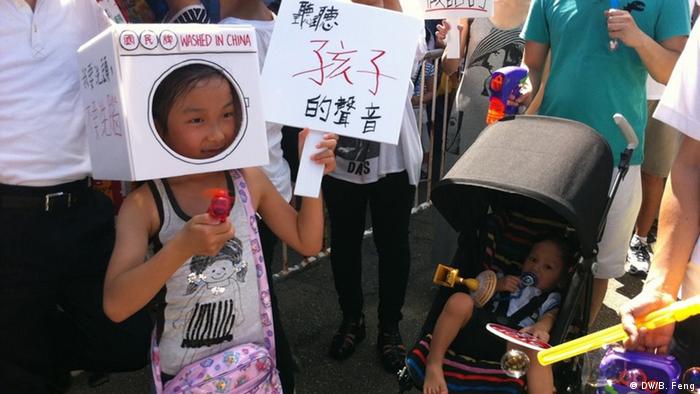
國民教育謊言始

字號 更大 | 更小


文/長平

香港的「國民教育」議題出現在郵件組,有同事提議謹守學術定義,慎用「洗腦」,我從心底裏贊同。隨後看到記者對於中小學教師的訪談,一些教師表示國民教育課程中的「洗腦」沒有外界擔心的那麽嚴重,無論教材如何,教師還是有很大的主動權,可以控制其如何執行。我感到非常欣慰,香港教師畢竟和內地大不相同,「國民教育」可以休矣。

等到看了浸會大學當代中國研究所編寫《中國模式國情專題教學手册》,我驚訝得半天說不出話來。該《手册》開宗不明義地,對中國模式做了如下定義:「中國模式,是指中國近年在社會穩定下,在經濟、外交所展現的高速、穩定發展道路。」這短短的一句廢話裏,「穩定」一詞出現了兩次。在整個薄薄的文本裏,也在不厭其煩地重複著社會穩定。這分明是「穩定壓倒一切」的一種更怯懦、更假裝斯文也更陰險的表述。內地人一看就明白,香港人卻未必了然。

正如一些內地馬屁學者所爭論的,早在美國學者Joshua Cooper Ramo 2004年發表有關北京共識(Beijing Consensus)的文章之前的八十年代,鄧小平就明確說出了這個概念,並一直堅持這種道路。鄧小平的表述要明白得多,那就是「一個中心(以經濟建設爲中心)」和「兩個基本點(堅持四項基本原則,堅持改革開放)」。堅持四項基本原則的核心是,必須堅持中國共產黨的領導。它在經濟領域的表現,正如學者秦暉所說,就是在資本全球化時代,利用「低人權優勢」,與別的高人權標準的國家競爭。這種競爭的結果是,短期高速發展,長期害人害己。

這個《手册》不敢像鄧小平那樣蠻橫霸道,就開始打太極拳,在貌似客觀理性的文字中,大抄特抄內地的政治謊言。比如,關於「中國模式的內涵」,在政治方面的總結,第一條竟然是「民本思想」。它稱「傳統思想中以民爲本,爲民負責的理念不但得到延續,更成爲當代中國政府的合法性來源。傳統的民本主義加上現代民主理念規範為政者要以民爲本,不以一黨一派的利益爲先,有利政府執行長遠的政策與計劃」。

這種馬屁拍得連中共自己都會感到臉紅,它一直靠反傳統起家,現在也宣稱自己的合法性來自民主選舉。而且不僅普通民衆,無數政府官員也都在抱怨各級政府的短視,只知道搞政績工程,什麽時候有利於執行長遠的政策與計劃了?如果真有什麽長遠計劃的話,那就是把家人和孩子移民到美國等西方國家。這並不是一個笑話,中共自己的反腐材料也表明,這是有實權的中高級官員做得最多的長遠計劃。

該教材照抄中共《十七大報告》,把中國的「社會主義民主政治」總結爲「三個有機統一,四大民主框架」,然後對「人民代表大會」等政治制度進行了詳細的介紹。本文不想討論這些制度設計在理論上的內在矛盾,而要指出即便是這樣的制度設計,在現實中國也只是一張藍圖而已。有多少人大代表經歷過真正的選舉?他們中有多少人相信自己代表人民的意志?有多少人相信自己手中的選票?為什麽在這個重巒叠嶂的權力結構中,連最底層的獨立候選人都會遭到警察的反覆騷擾?

把一個畫得不怎麽好的藍圖,當作已經完美執行的事實告訴學生,是這本手冊最大的謊言。

編寫者是不知就裏呢,還是假裝很傻很天真?如果是前者,那麽沒有編寫解釋中國模式的資格;如果是後者,那就是謊言政治的幫凶。當讀到「文化方面」的「社會主義榮辱觀」時,我就不再為這個問題而困惑了。對於一個官員動輒貪污上億元,屢屢强姦幼女,災害之後每每詳細統計樹木畜牲傷亡情况卻不允許問人死幾何,強拆民房易如反掌,上訪者常常被關進精神病院的社會來說,「八榮八耻」竟然是其核心價值體系?

需要辨析的是,手冊中一再重複關於經濟發展的謊言。這個謊言就是,政治上集權專制的中國模式,是中國經濟高速發展的原因。事實是,中國經濟正是在衝破、瓦解這種模式的過程中,引進資本主義市場經濟,才得到高速發展的。緊跟並推動這個發展的中國經濟學家,如吳敬璉、張維迎、許小年等人,一再沉痛地呐喊,這種政治模式是經濟發展的障礙。把發展的障礙說成是發展的原因,是一種政治洗腦宣傳。教材編寫者自認爲比這些經濟學家更加瞭解中國經濟呢,還是處心積慮地要把謊言移植到香港?

這些謊言和歪理,在內地越來越沒有市場,因為墨寫的謊言掩蓋不住血寫的事實。無論你把「以民為本」說得如何天花亂墜,地震來了校舍紛然倒塌,暴雨來了警察到遇阻的車上貼罰單,數十萬嬰幼兒喝了毒奶粉家長還不敢抗議……洗腦的效果自然要大打折扣。越是瞭解國情的官員,越不相信他們每天都在重複的謊言。然而,香港人沒有這些慘痛的親身經歷,學了這些謊話連篇的國情教育,再去看看那些被精心包裝的祖國新貌,無疑更加容易受騙上當。

香港人需要爭取的,是徹底拒絕這樣的國民教育。這種教育的核心內容就是謊言,為了維護謊言必然要限制言論自由。中國內地已經走過的道路,正在承受的痛苦,香港還要重複嗎?

《國民教育》相關專題文章:

黨民教育 /雨文

「學民思潮」全記錄:90後社運先鋒拒絕洗腦 (視頻)/雨文

圖輯:那些獨立思考的中學生 /梁正燁

國民教育第一招:永遠特殊的中國模式/ 陳嘯軒、梁正燁

我的交流團親歷記:洗腦從偏頗開始 /海藍

只為擁護現政權:香港教師眼中的國民教育/梁正燁

香港:公民教育在民間/周澄

2012年9月5日星期三

Resistance as “national education”

Resistance as “national education”

Resistance as “national education”
Posted on 2012-09-04

The following article is a translation from the Chinese, originally posted at Deutsche Welle on August 6, 2012, and re-posted by Chang Ping to his personal weblog on September 3.

Opposition is still growing in Hong Kong to a proposed curriculum of national education, orguomin jiaoyu (国民教育), that many locals believe is being pushed by Beijing. A hunger strike action planned for today (August 6) was postponed. But supposing the government does not give up these plans, more protests can be expected with the beginning of the school term in September.

News media inside China have continued to push the case for national education in Hong Kong. There was the Chinese-language Global Times running an editorial on August 2 arguing that national education would encourage young people in Hong Kong to expand their horizons, suggesting in a lofty, pedagogical tone: “The ultimate end to the controversy over national education in Hong Kong can only be ‘victory for China’. In pursuing only their own individual victories, these objectors are perhaps being unrealistic.” And an article in today’s (August 6) overseas edition of the People’s Daily said that promoting national education would help young people in Hong Kong better understand their country, and “only when young people understand and identify with their country can they accurately understand its policies, know their place, and seize opportunities. It is not wrong to work now for the future of young people.”

Is the Global Times correct in suggesting that there is only one possible outcome to this struggle? And is it right to suggest that China will be “victorious” if it forces through a national education curriculum?

The idea behind national education is that, beginning in the current academic year, authorities in Hong Kong supplement the original moral education curriculum with national education content. Judging from teaching materials that have already become public, this curriculum follows the lines somewhat of the so-called patriotic education carried out inside China by the Communist Party for years, using the framework of nationalism to address history and culture. And the curriculum resorts to outright lies in drawing a halo over the head of the so-called “China Model.”

Many in support [of the curriculum], whether the official in the mainland liaison office who once suggested that “brainwashing is necessary,” or the articles in the Global Times and the People’s Daily, have said that national education is carried out in Western countries, only in a different way. This need to point West is unusual, because as soon as anyone brings up democracy and freedom these very same officials and state media say that [China] will “resolutely not follow Western [political] models.” But of course so-called “national education” in the West is inseparable from their political systems, speech environments and concepts of human rights.

This inconsistency of logic appears again and again in China’s public opinion environment, and there is a great big market for it. For example, if you advocate the idea of learning from Western countries, suggesting that more benefits should be given to people in lower social strata, they will fire right back with the argument that China’s population is too big, that if everyone is given more benefits this will work out to be a huge number and there is no way society can support it — therefore there’s no way things can be done as they are in the West.

If you change the subject to government corruption, no one will think to apply the same logic, that there are too many officials in China and if every official takes a bit on the side this will work out to a huge sum and there is no way society can bear it, therefore Chinese officials must be cleaner than those in the West. In fact, the Global Times will argue, as it did earlier this year, that the people of China should tolerate “moderate corruption” among officials.

Moreover, these officials and media speak in generalities about “national education in Western countries,” but they have never explained specifically what they are talking about. The People’s Daily said that it was “only different in form.” If we’re talking about the fact that these [forms of national education] are not a forced inculcation, or that they are not premised on lies, then I suppose the differences are quite substantial indeed.

The majority of developed countries in the West did have different forms of “national education”, and some might even have been construed as “partisan education” about loving one’s country, one’s party or one’s leaders. But since the end of the Second World War, ideas, culture and education in Western developed nations have basically made their way out of the morass of pre-modern concepts of nationalism through a process of self-examination and deconstruction.

One might argue that this reassessment is a kind of reconstitution and consolidation of national visions of cultures and political systems, but freedom of thought, open media, cultural diversity and democracy are preconditions, and [this reconstitution] is a process of constantly challenging illegitimate systems, overturning governments that displease, and transforming culture.

The editorial in the People’s Daily said that “without a clear identification with their country and a sense of cultural belonging, young people have no way of truly participating in discussion and decision-making in society, and a modern nation cannot develop in a healthy manner — this has long been something of which the public is aware.”

In fact, it’s this pre-modern notion of nationalism that has long been a subject of public questioning, even if we admit that a sense of national identity and cultural belonging are important, and if people are given the opportunity to seek out this sense of identity and belonging, then they will inevitably stand up, opposing media that monopolize ideas, education that strangles culture, and governments and corrupt officials that strip citizens of their rights. This, in fact, is precisely what young people in Hong Kong who take part in the June Fourth commemoration in Victoria Park, who voice their support for Liu Xiaobo’s “Charter Eight” and who oppose national education in Hong Kong are up to.

This is a necessary contradiction that authoritarian regimes face when they call on the people to love their country. When the Chinese Communist Party, then regarded as an opposition party, called on the people to resist the corrupt government of the Kuomintang [in the beginning of the last century], they labeled themselves as patriots.

This round of protests in Hong Kong is of utmost importance. Inside mainland China, the Chinese Communist Party has conducted its program of “national education” for more than 60 years, and the results are apparent to all. Those who have received this education find it difficult to expand their horizons — they are closed-minded and intolerant. In this era of exploding information, what many young Chinese glimpse through the smoke are still elemental notions like “patriotism”, “treachery,” “China’s rise” and “Western conspiracies.” The privileged, rich and powerful who have an opportunity to expand their horizons are steadily streaming overseas — and what does that say about their sense of identification and belonging?

If a curriculum of this type is rolled out in Hong Kong, this will be the territory’s fate as well. The vast majority of people will have the wool pulled over their eyes while the elite muddle along, and in the end China will have deprived itself of a valuable window that can ventilate the country with ideas.

Fortunately, this movement has already begun, and it won’t possibly end, as the Global Times suggests, with “victory for China.” This process of resistance is the real “national education.” And the young people who receive this education will only identify more deeply with freedom of thought and cultural diversity under a system of democratic politics.

LEAVE A COMMENT


2012年9月2日星期日

香港,抗争就是“国民教育”


香港,抗争就是“国民教育”


香港反对国民教育运动仍在升温,相关团体原定今日发起绝食行动,后经商议暂缓施行。但是倘若政府不放弃推行该项教育,9月初开学时出现罢课抗议的情形,应在意料之中。

(德国之声中文网)中国内地官方媒体接连不断地为民国教育保驾护航。先是《环球时报》发表评论,称国民教育帮助香港年轻人扩大视野,并以不容置疑的口吻说:“香港国民教育争议最终结果只能是‘中国的胜利’,那些抗议者如果只追求他们自己的胜利,大概是不现实的。”今日《人民日报》海外版又发表文章说,推行国民教育帮助香港年轻人了解国家,“年轻人了解并认同国家,才能正确理解国家政策,摆正位置,抓住机遇,为了年轻人的未来,现在的努力没有错。”

这场抗争的结果,真的如《环球时报》所言,没有任何改变的可能吗?或者说当局强制推行了国民教育,就一定是“中国的胜利”吗?

所谓国民教育,就是自本学年起,香港当局在原有德育课程上增加国民教育内容。根据已经曝光的教材内容,该课程沿袭了中共在内地进行的爱国爱党教育,以民族主义观念阐释历史文化,而且通过谎言建构“中国模式”的光环。香港反对人士称之为“洗脑”教育。

无论是早前香港中联办官员宣称“洗脑是必要的”,还是《环球时报》和《人民日报》的辩护文章,都提到国民教育在西方国家普遍施行,只是形式不同而已。这种言必称“西方”的态度让人觉得怪异,因为一说到民主自由,这些官员和媒体都曾表示“坚决不搞西方那一套”。而西方的所谓“国民教育”,是跟他们的政治制度、言论环境和人权观念密不可分的。

这种出尔反尔的逻辑,在中国舆论中反复出现,甚至有相当大的市场。比如,如果你主张应该向西方发达国家学习,给底层民众多一些福利,马上有人批驳说:中国人口太多,每人多一点点福利,都会是一个很大的数字,社会无法负担,所以不可能像西方国家那样。但是,说到官员腐败,他们就不会说,中国官员太多,每人多贪一点点,都会是一个很大的数字,社会无法负担,所以只能比西方的官员更清廉。相反,《环球时报》还主张说,中国民众要容忍官员“适度的腐败”。

再说,这些官员和媒体一再笼统地说到“西方国家的国民教育”,但从来没有解释过其具体内容。《人民日报》提到的“形式不同”,如果是指是否强制灌输、是否以谎言为基础的话,那已经是很大的不同了。

的确如此,近代以来的世界政治,都建构在民族国家的基础之上。西方大多发达国家,都进行过各种不同的“国民教育”,甚至也有过爱党爱国爱领袖的“党化教育”。但是,“二战”以来,西方发达国家的思想、文化和教育领域的现代化之路,基本上都是在反思和解构前现代的民族国家观念的泥沼中行进。如果说反思也是一种重构,而且通过重构更加巩固了对本国文化和政治制度的认同的话,那也是在思想自由、媒体开放、文化多元、政治民主的前提下,不断地抗议不合理的制度、推翻不满意的政府、修改不正当的文化的过程中完成的。

《人民日报》评论说,“缺乏明确国家认同和文化归属感,青年人无法真诚地参与社会决策的讨论与推进,现代国家也不可能健康地发展,这早就是公共的认知”。且不说这种前现代的民族主义论述早就是公共的疑问,即便承认国家认同和文化归属的重要性,而且真诚地让他们找到了这种认同和归属,那么必然地,他们一定会站出来,反对控制思想的媒体、扼杀文化的教育、剥夺公民权利的政府和贪污腐败的官员。而现在,参加维园“六四”晚会、声援刘晓波的“零八宪章”和反对国民教育的香港青年,做的正是这样的事情。这是一个专制政权号召人民爱国时必然遇到的矛盾。当年身为反对党的中共,鼓动民众反对腐败的国民党政府时,给自己贴上的就是“国家认同(爱国)”的标签。

香港的这场抵抗运动至关重要。中共在内地进行了六十多年的“国民教育”,其成果举世昭然。受此教育者的视野不仅未能扩大,而且多半变得封闭偏狭。即便在资讯爆炸的新媒体时代,很多年轻人在浩如烟海的信息中,看到的仍然只是“爱国”、“汉奸”、“中国的崛起”、“西方的阴谋”等几个有限的字眼。而那些真正有机会“扩大视野”的权贵阶层,纷纷移民国外,其国家认同和文化归属何在?如果把这套教育成功地推到香港,那么香港人也会如此,底层民众被蒙上眼睛,上层权贵得过且过,中国内地则少了一个思想透风的窗口。

好在既然这场运动已经开始,就不可能如《环球时报》说的那样,“最终结果只能是‘中国的胜利’”。这种抗争的过程,才是真正的“国民教育”。受此教育的年轻人,只会对民主政治下的思想自由和文化多元产生更多的认同。

作者:长平

责编:洪沙