2012年3月31日星期六

Which way forward?

Which way forward?


Mar 30, 2012     South China Morning Post


At the approach of dusk, rumours come to life in the capital city and multiply madly. For days, China's microblog universe was aflutter with news that "something big is about to happen", not unlike the folk stories that became popular in the public squares of old, just as a dynasty was about to change hands. In sociological analysis, this is a sort of self-fulfilling prophecy. One such prophecy has partly come true: Wang Lijun's mysterious visit to the US consulate in Chengdu was indeed followed by "something big", the rather dramatic downfall of his boss, Bo Xilai.


Here's the drama: when Bo was getting ready to vote on the revised Criminal Procedure Law at the annual meetings of the National People's Congress and the Chinese People's Political Consultative Conference in Beijing, the person who would announce Bo's removal as Chongqing party secretary was on his way to the southwestern municipality. As benign legislative proposals and women delegates' pretty cheongsams were on parade, political duels were being fought behind the scenes. Like the capture of the Gang of Four, the crackdown on the Tiananmen democracy movement and other political game changers, it will probably be years before we know what occurred in Zhongnanhai in those few days.


Where's Bo now and what will happen to him? Has he lost power for good? If he has not been locked up in Qincheng Prison, will he still be able to make a comeback? The official story making the rounds on the internet is that Wang, the police chief, took the great risk of turning to the US consulate because Bo threatened him over a police investigation into Bo's family. But this story leaves many unanswered questions. Logic dictates - and many real-life examples show - that trying to destroy one's trusted subordinate leads only to self-destruction; Bo could not have failed to understand this. Even so, the story continues to circulate, feeding into the self-fulfilling prophecy.


The central government, the masters of political power play, will not let any potentially damaging rumour circulate freely. No doubt the internet and other media will soon be subject to even tighter control.


The authorities want to present a united front in the run-up to the 18th party congress later this year. To this end, Bo's sacking is a useful example: the other regions that have not been similarly disciplined will be quick to fall in line. Even Wang Yang , the Guangdong party secretary who is so proud of his innovative thinking, took care to stress at the meetings in Beijing that the Wukan elections were "nothing new". He understands very well that, after the ruin of his supposed rival, his "Guangdong model" has lost its reason for being. There needs only be one model now: the China model.


We're not quite there yet, judging by the ferocity of the online speculation; party unity is still a work in progress. The fiercest battles are probably over, and the power players mostly know that stability is in their own interests. But surprises may still spring up.


Here's one scenario: dirt about Chongqing's anti-triad campaign comes to light, and the Bo government is put through a more thorough disciplinary action. Or, perhaps, Bo the princeling could still stage a comeback. A public raised on a TV diet of dramas about palace infighting is eager for more; their imagination is running wild.


But, so what if any or all of these rumours are true? If Bo remained influential, would this be a threat to democratic development? Because Bo has been sacked, is Premier Wen Jiabao's pledge of political reform more likely now to be fulfilled?


If such palace intrigues could bring about democracy, China would have been democratic a long time ago. History is full of power struggles far more brutal than the one we see now. Some led to more room for development; others shrank the political space further. Either way, the result was almost always more authoritarian government.


People don't realise that the looser reins on public debate that we benefited from were one result of the intense political competition. People who support democracy should work towards exposing these behind-the-scenes power struggles, not hope for one party to wipe out another. A democracy demands robust competition in the open, not the annihilation of a politician orchestrated in secret.


On a related note: the people who hold out hopes for the premier's promise should also appreciate that a democracy asks that its people play the role of critics, rather than cheerleaders. And democratic government does not happen overnight; it is a goal we work towards.


Self-fulfilling prophecies do happen from time to time. But we need to ask ourselves: what do we expect to see? The millennium-old cycle of upheavals in palace politics, or a functioning modern democracy?

2012年3月25日星期日

安定团结待民主?

北京观察

安定团结待民主?

对一个极权政治进行预测,是十分冒险的事情。不确定和未公开的东西太多,随便揭开帷幕的一角,都有可能令人震惊。但是,正因为如此,人们总是忍不住要伸长脖子去看,削尖耳朵去听,看不见听不到也会胡思乱想,尤其在一些重大事件发生的时候。比如当下的重庆事变,每天都有无数谣言在飞舞。

(德国之声中文网)一个月前,"打黑英雄"王立军秘访成都美领馆,举世错愕。很多人认为好戏开场了,我却看到帷幕正在关上--中共十八大基本上可以顺利召开了。我本来以为各方会借机达成妥协,见好就收,平稳过度,孰料赢家出手更狠,足见内部斗争残酷,对捣乱者决不手软。

统一、稳定和团结,这些当局用来对民众洗脑的词汇,同样也固化于他们的思想。内部意见不统一可能会被认为是搞分裂,外部反对和抗议则会被视作搞动乱。而戏剧性作为极权政治的一个特征,既是它的弱点,也是它的强项,在关键时刻用来一锤定音。即便没有王立军的"叛国",当局也会等待甚至制造一个别的事件,来结束影响党内安定团结的乱局。

有网民讽刺说,王立军不愧为"打黑英雄",通过奇袭美领馆,一举打垮中国最大的黑恶势力--以重庆模式为龙头、对"文革"一往情深的"毛左"派系。事实上,这个事件对于中央政府铲除异己、稳定政权何尝不是天赐良机?从更长远的时期来看,他的惊世之举到底起了什么作用,尚难定论。

我们当然可以认为,这是以温家宝为代表的改革派对大批既得利益者组成的保守派的胜利,是以深化改革为旗帜的广东模式对让"文革"借尸还魂的重庆模式的胜利。尽管我并不认为薄熙来真的相信"文革"理论--否则他的夫人不会开大公司,他的儿子不会负笈西洋,他领导下的重庆也不会大力招商引资--但是他若得势,必然将"唱红打黑"假戏真做,发扬光大,甚至让中国重蹈红色恐怖覆撤。他的失势无疑是一件好事。

然而,历史经验也告诉我们,"飞鸟尽,良弓藏;狡兔死,走狗烹"。作为政治权斗旗号的改革开放与广东模式,随着对手的湮灭,也就失去存在的价值。汪洋在全国"两会"记者会上,就否认乌坎的创新意义。他深刻地了解,在政局安稳的时候,当局不需要广东模式,而只要一个统一的中国模式;更不需要真正的民主改革--那样不仅可能会带来新的纷乱,更会让专制的政党最终消亡。温家宝总理一再重复的"不改革就会死路一条",缺少一个主语。如果像《人民日报》那样给它加上主语"党",把政治改革定位于"救党",那就注定不是真正的民主改革。

只要普通民众还不知道薄熙来人在何处,只要一切斗争都还是黑箱操作,无论它多么精彩,也无论它的结果多么正确,那也只是宫廷斗争,而不是民主改革。那么宫廷斗争有没有机会转换成民主改革?很多人都在等待,等待改革派将"毛左"收拾干净,牢牢地控制了局面之后,温家宝总理自然会兑现他的承诺。事实上,一个风平浪静的政局,是不可能有动力进行政治改革的。温家宝之所以能够为政治改革焦虑,除了用作权斗的旗号之外,他大概也真的感觉到了社会的压力。没有足够的压力,当局不会主动改革,民主不会自动到来。

政治需要平衡,权力需要监督。对于右倾的权贵资本主义中国来说,追求公平正义的左派势力本来是一个制衡的力量。但是重庆模式并不是真正的左派理想,大骂"西奴"、拥护政权的所谓左派网站,做的也是极右的事情。美国左派标杆人物乔姆斯基说过,为什么他要痛骂美国政府呢?因为他活在美国,这是他的责任。中国的"左派"们,却把维护红色政权当作自己的责任。即便他们对权贵的不满是真实的描述,但是他们的方式是投奔更大的权贵。也正因为如此,他们不仅没有成为批评的力量,反倒成为打压批评者的帮凶。

中国并不缺少权谋的看客,而是缺少在关键时刻为民主改革添柴加火的力量。这个时候,声援温家宝总理的改革呼声,与让他感到更大的压力,其实是一回事。民主改革对于民间舆论的定位,是批评者和推动者的角色,而不是宫廷权斗的欢呼者。倘若这真的是一个政治改革的良机,各方力量应该迅速行动,而不是静待安定团结的大好局面。

作者:长平

责编:达扬

誰在抹黑香港民主

2012/03/25

長平:誰在抹黑香港民主

星期日明報 25-3-2012

今次香港選舉中留下的歷史畫面中,令人印象最深刻的一個場景,是唐英年爆出僭建醜聞之時,香港媒體誇張的大吊車。我認為這是一個重要的分界點。在此之前,該選舉是一場悲劇;經此一變,它就只剩下鬧劇了。

身為特區首長候選人,唐英年當時表現出來的法律素養、做人誠信和應變能力,都已經徹底破產。很多人也認為,他自己臉皮再厚,恐怕也身心疲憊,折騰不起,退選幾乎已成定論。沒想到不僅他本人還能再戰江湖,工商界對他的支援也一如既往,中央政府也表示可以接受。這樣的無恥之選,打破了政治遊戲的底線。在此之後,另外一位候選人被指打壓言論自由,地下身分曖昧不明,都可以不作交代,繼續堂而皇之扮演未來領袖。

如果香港人只能接受這樣的選舉,只能在兩個爛土豆中選一個來吃,否則就會被餓死,那麼我認為他們應該進行「選舉絕食」,呼籲1200個選委投白票,否則拒絕被一個不負責任的小圈子代表。可惜這樣的事情並沒有發生。如此以來,該選舉注定了只是浪費社會資源,抹黑香港民主。這種抹黑行為,將會影響香港未來。

這和國務院港澳辦主任王光亞關注的候選人之間的抹黑行為不一樣。他說,香港行政長官選舉,沒有做到「君子之爭」,他沒有想到會出現「黑材料」的攻擊。他還拿台灣大選進行比較,覺得馬英九和蔡英文相對來說就文明一些,主要比政綱、比理念。

這個選舉舞台有問題

王光亞主任的失望讓人覺得有奇怪,他真的希望唐梁之爭和馬蔡大戰一樣嗎?馬蔡面對的是兩千多萬個選民,而唐梁背後是1200個選委。前者需要了解政綱和理念,後者更看重的是小圈子利益。唐梁自然也談了政綱和理念,本來已經有些虛偽,因為明知沒有多大意義,互相攻訐反倒順其自然,讓對手難堪可能還有點作用。

在民主選舉中,抹黑政治對手在所難免。用什麼手段抹黑,抹黑到哪一步,關鍵是看候選人與選民的互動。如果一方手段下作,一方已經黑得不行,但選委和中央政府仍然背書和「可以接受」,他們仍然可以在舞台上表演,只能證明這個舞台有問題。這才是真正的抹黑行為,本質上是對於民主舞台的拆眦。

王光亞主任的話裏,有民主素質論的伏筆。民主素質論是大陸輿論中反對民主的一個重要理由,認為民泷素質不高,社會還沒有準備好,民主只會帶來更大的混亂。我認為這種論調遲早會出現在香港。表面是候選人素質低下,背後是選民目光短淺。港人治港的理念,是指香港人能夠管好香港。很難想像這兩個候選人之一上台之後,如何繼續維持香港行政清正廉潔、務實高效的傳統形象,甚至可能出現更大的亂局。到時候,會有人認為香港需要中央政府的援手嗎?

到底是誰在抹黑香港民主,答案並不難發現。香港選舉舞台上醜聞疊出,是因為沒有更好的淘汰機制,憤怒的民泷沒有渠道影響選舉過程和結果。一直在進行假選的中央政府,對香港選舉有覑絕對的控制力。不僅從法律上有明確的規定,而且建制派背後有太多不明不白的「地下情」,這本身已經足夠荒唐。即便未來實現普選了,這些仍然會是抹黑香港民主的因素。那時候我們看到的民主,仍然會讓人覺得有點惡心。

年初的「反蝗」運動,放大了香港人和內地人的不同。當時我就撰文指出,在若干表面問題的背後,應該是兩地民泷的同病相憐。那些不怕麻煩到香港生子的大陸父母,才是真正的「忍夠了」一族。大家本來可以彼此攜手,反抗共同無法忍受的東西。底層民泷的紛爭,正符合「分而治之(divide and rule)」的策略,讓權貴們忍不住偷笑。

對於這場選舉過程中的種種鬧劇,已經有人「歡呼」,香港終於成為中國「這一片神奇的土地」的一部分,實現了真正的回歸。我有一個感覺,如果香港不能實現真正的民主,甚至連希望都慢慢消失了,抱覑民主法治認同和希望來此生子的大陸父母,恐怕會愈來愈少,最後連求都求不來了。那些真正想來爭奪社會福利的內地人,往往又被剝奪到連赴港生子的能力都沒有。這個矛盾也許很快就可以解決了。

社會發展是一個動態的過程,那些只想靜待時間流逝,讓民主慢慢到來的人們,通過這一場選舉也應該明白,這種祥和的景象並不存在。民主政治不作良性發展,就會惡性循環。如此下去,耐心等來的民主,也許已經被抹黑扭曲得你都不想要了。

2012年3月19日星期一

Medien sind überall.

Medien sind überall.


Laut den Ermittlungen der zuständigen Behörden soll ich 2010 in Indien gewesen sein und soll dort den Dalai Lama getroffen haben. Die Geschäftsleitung meines Arbeitgebers, der Südchinesischen Zeitung, warf mir daraufhin vor, ohne Erlaubnis im Ausland gewesen zu sein. Man teilte mir mit, dass ich die Konsequenzen dafür tragen müsse und keine Hilfe von Seiten der Zeitung erwarten könne.


Mit „zuständigen Behörden“ ist die übergeordnete Behörde der nationalen Sicherheit gemeint. Die Ermittlungen und deren Ergebnisse wundern mich sehr. Ich bin 2010 nicht in Indien gewesen. Zu einem früheren Zeitpunkt war ich zwar dort, habe aber den Dalai Lama nicht getroffen. Die Verleumdungen verdanke ich wohl meinen früheren kritischen Artikeln zur Tibetpolitik der chinesischen Regierung.


Nach Durchsicht meines Reisepasses war der Fall auch meinem Arbeitgeber klar. Aber niemand entschuldigte sich bei mir. Stattdessen machte man mich und meine kritischen Artikel für den Druck verantwortlich, unter den die Zeitung gesetzt wurde. Die Geschäftsleitung schlug mir vor, ich solle mich ruhig verhalten und für ein oder zwei Jahre das Schreiben einstellen, damit ich meine Arbeitsstelle behalten könne. Ich lehnte ab. Die Leitung der Zeitung überließ die Entscheidung über meinen Verbleib der Unternehmensgruppe „Zeitungsgruppe Südchinas“.


Am nächsten Tag wurde ich vom Chefredakteur zu einem Gespräch eingeladen und erhielt die Information, die Unternehmensgruppe habe rechtlich bereits alles geklärt. Mein Arbeitsverhältnis ginge vertragsgemäß zu Ende. Da für mich keine geeignete Stelle gefunden wurde, wurde der Arbeitsvertrag nicht mehr verlängert. Es war der 27. Januar 2011. Ich war bereits über 40 Jahre alt und verlor zum zweiten mal meinen Job. Vor 10 Jahren wurde ich aus dem gleichen Grund entlassen. Obwohl ich natürlich sehr bekümmert war, fühlte ich mich auch befreit. Als ich noch jung war, hatte ich viel Energie und viele Träume und hatte verschiedene Projekte durchgeführt. Mittlerweile war ich meinem Beruf jedoch längst überdrüssig geworden.


Die Südchinesische Zeitung ist ein beliebter Arbeitgeber für Journalisten. Als ein Teil des Systems besitzt sie aber auch alle Schwächen, die starre Bürokratie und übertriebene Regierungstreue mit sich bringen. Wegen der Auswirkung der hierdurch bedingten Auslese werden die Idealisten nicht befördert. Oder sie werden kalt gestellt, nachdem sie „Fehler“ gemacht haben. Anders als in anderen Medien wird in der Südchinesischen Zeitung der Widerspruchsgeist von Journalisten der unteren und mittleren Schicht kultiviert und fortgeführt. Sie nehmen Kritik, Strafe und sogar Entlassung in Kauf, operieren an den Rändern des Möglichen und kämpfen für die Pressefreiheit.


Sympathisanten der Südchinesischen Zeitung behaupten, dass diese keine andere Wahl habe. Der eigentlich schuldige sei ein gewisser Herr Cai, der stellvertretende Kommunikationsminister. Mehrmals gab dieser Anweisungen, meine Artikel zu verbieten und mich zu entlassen. Wie ich bereits ausländischen Journalisten gegenüber geäußert habe, möchte ich Herrn Cai nicht zu Unrecht beschuldigen, aber falls sich die Gerüchte belegen lassen, würde ich Klage gegen ihn erheben und mein Recht auf Arbeit und Meinungsfreiheit einfordern. Hierin werde ich von den Rechtsanwälten Herrn Zhang und Herrn Pu unterstützt.


Es ist eine Besonderheit des Systems, dass der Drahtzieher im Verborgenen agieren kann. Es ist kaum möglich, ihm die Schuld zu beweisen. Gleichzeitig bin ich mir nicht im Klaren über mögliche Hintermänner. Vielleicht hatte Herr Cai gar keine andere Wahl.


Hannah Arendt beschreibt die Alltäglichkeit des Bösen damit, dass die begangenen Fehler und Straftaten in einem System durch das dienstliche Verhalten gerechtfertigt werden. Genau das durchzieht die heutige chinesische Gesellschaft in einer sogar noch komplexeren Form.


Am Nachmittag meiner Kündigung wurde mir plötzlich bewusst, dass mehrere zehntausend Menschen mittels Twitter und Microblogs über meine Entlassung diskutierten. Innerhalb eines Tages war meine Anhängerschaft im Netz um zehntausend angewachsen. Einer von ihnen startete eine Aktion zur solidarischen Unterschriftensammlung. Bisher wurden 2471 Unterschriften gesammelt. Ein anderer rief zur einer fünfzig Cent Geldspende auf in Reaktion auf die sogenannte Fünfzigcentpartei, die regierungstreue Autoren finanziell unterstützt. Bislang wurden 8559,17 Yuan gespendet. Der Großteil der einzelnen Spenden waren fünfzig cent. Somit haben sich über zehntausend Menschen an der Aktion beteiligt.


Drei Tage später wurde Sina, Chinas bedeutendster Provider von Internetdiensten, gezwungen, meinen Microblog zu schließen. Einige andere Blogs wurden ebenfalls geschlossen, die häufig über „Changpings Entlassung“ diskutiert hatten. Selbstverständlich tauchten trotzdem neue Texte im Internet auf, die für Aufsehen sorgten. Hierin sehe ich eine neue Art des Kampfes. Es bewegt mich sehr, wie Tausende von Internet Benutzern einerseits für mich ihre Solidarität bekunden, andererseits ihre eigene Meinungsfreiheit einfordern.


Dies ließ mich meine Haltung zum System überdenken. Ich unterscheide nicht zwischen innerhalb und außerhalb des Systems oder traditionellen und neuen Medien. Wichtig ist das Bewusstsein zur eigenen Unabhängigkeit.


Am Ende der Kurzgeschichte von Kafkas „Ein Hungerkünstler“ wurde ein lebhaftes, aber im Käfig gehaltenes Raubtier beschrieben:


„Es war eine selbst dem stumpfsten Sinn fühlbare Erholung, in dem so lange öden Käfig dieses wilde Tier sich herumwerfen zu sehn. Ihm fehlte nichts. Die Nahrung, die ihm schmeckte, brachten ihm ohne langes Nachdenken die Wächter; nicht einmal die Freiheit schien er zu vermissen; dieser edle, mit allem Nötigen bis knapp zum Zerreißen ausgestattete Körper schien auch die Freiheit mit sich herumzutragen; irgendwo im Gebiß schien sie zu stecken;“


Ich wäre gerne so ein Raubtier. Aber in der Tat bin ich nur ein Chinese, der vom System erzogen, gleichzeitig von dem System erpresst und als Geisel genommen wird.


Wenn ich von meinem beruflichen Werdegang spreche, erwähne ich selten meinen ersten Job. Damals hatte ich mich an einer Zeitschrift beteiligt, die Marktanalysen für kleine Unternehmer bereitstellte. Auch meinen zweiten Job erwähne ich nicht oft. Es handelte sich um eine allgemeine Zeitung. Ich hatte die Zeitung von einem Mittelsmann angemietet und war stellvertretender Lektor. 2 Monate später war alles beendet, weil ich keinen Sponsor gefunden hatte.


Die zwei Zeitschriften haben meine Arbeitserfahrung und meine Wahrnehmung über Medien geprägt. Aber ich habe selten darüber gesprochen, weil es sich um unbekannte Zeitschriften handelte. Andererseits war ich zwei Monate bei CCTV als Chefredakteur einer Rubrik angestellt. Der Arbeitgeber mag zwar glamourös erscheinen, die Arbeit war für mich jedoch unbefriedigend und ich sah meinen Beitrag als unwesentlich an. Ich war bloß ein Durchreisender, obwohl es sich in meinem Lebenslauf gut macht. Dafür schäme ich mich.


Wenn ich an die zwei Zeitschriften denke, ähneln sie einem gelöschten Blog. Aus Sich des Systems sind sie ausgelöscht und haben keine Wirkung mehr. Laut der Erziehung durch das System sind sie wertlos. Aber die Realität ist anders. Meine Zeitschriften sowie mein Blog wurden zwar geschlossen, ihre Wirkung hält jedoch an. Das macht Sinn und gibt Kraft.


Etwa 10 Stunden bevor meine Kündigung bekannt gegeben wurde, habe ich einen neuen Artikel in meinen Blog eingefügt, „Überall gibt es die Aprikosenterrasse“. Der Titel bezieht sich auf einen provisorischen Ort an dem Konfuzius seinen Schülern Unterricht gab. In meinem Artikel ging es um einen langjährigen Lehrerfreund, der 20 Jahre kostenlos zuhause in seiner Freizeit Nachhilfeunterricht gegeben hatte. Als er drei Jahre lang keine Räume zur Verfügung hatte, fand der Unterricht auf einer Wiese statt. Das erinnert mich an die Aprikosenterrasse von Konfuzius und an Sarnath, wo Siddhartha Gautama in einem Wildpark seine Erleuchtung erlangte. Ich habe geschrieben: Wenn wir das Wissen mit anderen teilen möchten, finden wir überall die Aprikosenterrasse. Wenn wir lernen möchten, finden wir überall die Sarnath.


Ich habe die Medien des Systems verlassen und wurde dadurch aber nicht von Fesseln befreit, weil ich die nie getragen habe. Aber mir wurde ein Podium dadurch entzogen, das ich damals für sehr wichtig gehalten habe. Jetzt weiß ich, dass es immer Möglichkeiten gibt, sich auszudrücken. Wenn wir uns mitteilen wollen, existieren überall die Medien.


2012年3月9日星期五

「被代表」

日本《东方书店》网站http://www.toho-shoten.co.jp/chinanet/cnnew.html

作者:古畑康雄ジャーナリスト


ネット用語から読み解く中国   (19)「被代表」


 前回は韓寒の3本のコラムから、公共知識人のあり方を考えるという、かなり肩に力の入った内容となり、字数も引用が多いとは言え7000字を超える長文になってしまった(本当はもっと書き込みたかった)。ただ、うれしいことに中国知識人研究が専門の友人、Oさんから以下のようなご感想をいただいた。
  「インターネットの言論空間を、折々のトピックや人物から迫っていく(筆者の)手法は、中国社会をとらえる上で、いつも、多くのことを教えて頂いていますが、今回は、特に、自分がもっとも関心のある『公共知識人』に関する議論なので、色々と考えるきっかけになり、自分自身の課題にも、非常に参考にさせて頂いています。(中略)個人的には、コラムの最後の一文が、とても好きです。中国社会に対する厳しくもあたたかいまなざしが、伝わってくるように思っています」
  Oさんのような専門家に拙文を読んでいただき、過分のご評価をいただくのは、今後の励みになる。


  さて、今回まず紹介したいのは、著名なジャーナリストで友人でもある長平氏のことだ。友人などと書くと、何を偉そうな、と思われる人もいるだろうが、2年前に北京でお会いし、2010年1月に東京と札幌で開かれたシンポジウムに参加いただき、さらに筆者が所属するメディアでインタビューをさせてもらったのがきっかけで、その後もツイッター、フェースブックでお付き合いしている。
  長平氏に関し、読売新聞が最近出した「中国活動家次々出国」という記事の中で「改革派新聞社の名記者だった長平氏はドイツに渡り」とあるのが目に止まった。


 2011年1月、南方週末、南方都市報のベテラン記者、編集者だった長平(本名は張平)氏はジャスミン革命などが引き金となったメディアへの締め付け強化で、両紙を発行する南方報業集団を追われ、広州から香港に移住した。
  ラジオ自由アジア報道(2011年12月7日)によると、会社側は長平氏に「筆を折って沈黙するか、これまでの立場を変えるか」どちらかの選択を迫ったという。報道によれば、長平氏の解雇には共産党中央宣伝部のトップクラスの人物が圧力をかけたとの見方も出ている。その後、長平氏は香港のテレビ局が発行する電子雑誌「陽光時務」の編集長に就任したが、香港政府は長平氏にビザを発給しなかった。引き続き中国当局からの圧力を受けたとみられ、「国境なき記者団」は香港当局に抗議のメールを送っている。さらに、長平氏が開設した微博(短文書きこみサイト)は一方的に削除されるなど、様々な嫌がらせの中、やむを得ずドイツ行きを選んだようだ。
  北京で初めて会った時、「自分は新聞社で長年働いてきたので、どこまで書けば当局の規制に引っかかるか、その『尺度』はわきまえているつもりだ」と述べていた長平氏だったが、当局側の度を超えた規制強化の動きに、彼のような人物すら壁の外に追いやられてしまったのは、残念でならない。
  さっそく、この記事を紹介するメールを長平氏にも送った。するとお礼と共に最近次のようなインタビューを受けたとご返事をいただいた。
“Is Democracy Chinese? An Interview with Journalist Chang Ping”
 インタビューは前述した経緯のほか、彼の生い立ち、学生時代、天安門事件の時の状況などについて触れた後、今回の韓寒の文章でも問題になった中国と民主の問題について次のように答えている。
  「中国には民主が必要だと考えており、中国は変革が必要だ。私は中国には民主主義が育たないという議論に本当に反対だ。中国は特殊で、中国人の素養(中国語では「素质」)は不十分なので、時間がかかるといった愚かな議論だ。民主主義は中国文化の中には存在しなかったという人もいたが、(中国文化圏の)台湾は民主化したではないか。すると彼らは台湾は特殊だという。だが烏坎(注:広東省陸豊市烏坎村)はどうか、彼らは自ら選挙を行ったではないか。烏坎は典型的な中国であり、烏坎が民主を実践できるのなら、中国の他の部分も同様(に可能)なのだ」
  質問者の「韓寒のコラムについてどう思うか?」との問いにはこう答えている。
  「韓寒は、中国の人々は素養が低く、もし民主を導入すれば暴力につながるから問題だと論じている。これは(中国)政府が長年宣伝してきた見方だ。まるで『あなたは泳げるようになるまで、泳ぎの練習をしてはいけない』と言っているようなもので、練習できないのだから泳げるわけがない。そして、提起した議論は真新しいものでもなかった」
  「だが彼がこの問題を提起したのは興味深いことだ。このことは中国ではいかに政治的システムが制限されているかということを示したのだ。今我々が目にしているのは、多くの人々が、変革が起きることへの望みを失っていることであり、そして彼らはなぜそれが起きないのかの言い訳をしている。モラルの衰退が反対者らに対する暴力へとつながっているが、それは革命を手に入れられないからだ」と述べている。
  正直、前回自分の書いた韓寒への見方と長平氏のそれとにあまり違いがないと知ってほっとした。 
 さて、長平氏がシンポジウムで述べたのは「被代表」という当時は耳慣れない言葉をめぐる議論だった。これは2009年末に広州市番禺区で起きたゴミ焼却場建設をめぐる問題だ。シンポジウムの発表によれば次のような経過だった。
  09年11月、1000人以上の広州市民が同市庁舎前に集合、抗議活動を展開、これは1989年以来広州で発生した最大規模の抗議活動だった。この運動の原因は、番禺区に建設が計画されたゴミ焼却発電所への反対だった。政府は5年もの間、密かに建設計画を進め、住民は全く知らされていなかった。環境アセスメントなどの法的プロセスを経ずに、地元政府は建設を発表した。
  番禺事件で大多数の住民がプロジェクトに反対していた時、地元紙「番禺日報」は1面に、番禺区の人民代表大会代表70数人が計画用地を視察後、「ごみ焼却発電所は民心工程(国民生活向上のためのプロジェクト)であり、政府がこの民心工程建設を加速することを大いに支持する」と述べたとの記事を掲載した。
  このように、住民の民意に反して、勝手に一部の人間に「賛成」だと民意を代表されてしまう、これが「被代表」の意味だ。
  抗議活動で住民は「不被代表」というスローガンを掲げた。自分の意思は誰にも代表されることはない、という表明だ。「このスローガンは公民個人の権利意識の自覚を意味する。『不被代表』によって初めて政府の役人は真の民意を知ることができるし、真の代表が生まれるのだ」長平氏はこのように述べている。
  住民の抗議に対して、市側は態度を軟化、09年12月、番禺区の党委員会書記は住民に対し建設中止を発表した。広州市政府はさらに、今後住民の利益と密接に関わる重大な政策は、幅広く民意を聞き、十分な調査をすることを決めた規定を発表した。
  だが中国国内の報道を見ていると、被代表は枚挙にいとまがない。例えばハルビン市で09年12月、水道料金値上げに関する公聴会で、市民代表の劉天暁という男性がペットボトルの瓶を投げつけるという事件があった。
  出席した13人の市民代表のうち、下崗(レイオフ)された労働者として出席したのは、実は退職した同市の幹部だった上、唯一値上げに反対した劉天暁氏は発言の機会が与えられなかったことから、ペットボトルを投げつけて抗議したのだ。こうした偽代表を使って民意を偽り、一方的に政府の決定をごり押しする手法は番禺のケースと共通する。この事件は「瓶子門」(「~門」は「~事件」の意味で、米国のウォーターゲートから来ており、中国のメディア、ネットでしばしば使われる表現)としてネット、メディアでも広く伝えられ、同様の公聴会への批判が高まった。
  この「被」という言葉が中国社会で広がったのは、09年ごろだ。本来なら「~される」はずのないことまで、「被~」とする表現が次々と生まれ、「被時代」という言葉も生まれた。中国のサイト「互動百科」は次のように説明する。
   「被時代では、誰かが『☓☓される』ということは、必ず他人に『☓☓する』人がいるということだ。ある人の権利が主張することができず、勝手に侵犯される、その一方で他人を圧迫して権利を享受するものが必ずいる」。そして次のような「被」の数々を紹介している。
  「被自殺」…2008年3月、安徽省阜陽市潁泉区の張治安書記が違法に農地を収用し、さらにはホワイトハウスのような豪華な庁舎を建てたことを告発していた李国福さんが、監獄内の病院で死亡したが、検察機関は「李さんは首つり自殺した」との調査結果を発表、家族はこれを受け入れなかった。(報道によると、その後張治安は汚職の疑いで逮捕され、1審で執行猶予付き死刑判決を受けた。)
  「被小康」…「小康」とは「ややゆとりのある生活水準」の意味だが、09年2月、江蘇省が南通市管轄下の県、市にたいして小康に達したかどうかの電話民意調査を実施した際、地元政府は調査を受けた住民らに対し模範答案を事前に配布、家庭平均年収は、農民は8500元、都市住民は16500元であると答えるよう求めたという。その結果、元々は小康レベルにない住民が、一夜のうちに小康にされてしまった。
  「被増長」…09年7月28日、国家統計局が今年前半の全国都市住民の平均収入は11.2%、農民は8.1%増加と発表、都市住民の伸びはGDPの伸び7.1%を上回ったが、「物価は上がっても自分の所得は増えていない。この数字は水増しではないか」と多くの人々が疑問を抱いた。
  「被自願」…09年5月の新京報報道によると、重慶市銅梁県の保護者らが、学校に9000元の「教師節慰問金」を支払うよう要求されたと訴えた(教師節は9月10日、教師に日ごろの感謝や尊敬の気持ちを示す行事)。保護者が教育委員会に意見を述べたところ、「お金を返すのなら、教師を引き上げる」と告げられた。銅梁県教育長は取材に「保護者は自ら望んで支払った」と述べたという。
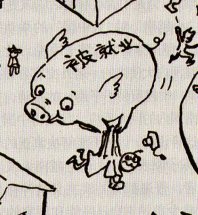
  「被就業」…7月12日、西北政法大学の09年卒業生だった趙冬冬さんは、国内の著名なウェブサイトに、自ら知らないうちに大学が西安のある企業と就職協議書にサインしたが、このような企業は聞いたこともないと書き込んだ。一部の大学は学生の就職率が高いことを宣伝するため、このような水増しを行なっているとされる。


今月のことば

被代表:自分の意志が勝手に第3者によって代弁されてしまうこと。多くは世論操作のため、当局の都合のよい形で使われる。

被時代:被代表、被自殺、被小康、被就業など、「被~」が社会現象を表すネット流行語として次々と登場した時代状況を指す。自分の権利を第3者が勝手に左右されることは許さないという権利意識の向上もうかがえる。

被就業

「~門」:事件、スキャンダルの意味で、米国のウォーターゲート(水門)事件から来ており、中国のメディア、ネットでしばしば使われる表現。

  「被購物」…10年7月、香港を旅行した中国の客がお土産屋で買い物をしなかったことで、旅行ガイドが「こんな安い値段で旅行できるわけがない」と罵る動画がネットで広がった。香港観光局は謝罪したが、「買い物をさせられる」という言葉がこうして広まった。
  その他にも、人権活動家などを対象にした次のような「被」もある。

  「被旅遊」…当局からマークされた活動家らが、政治的に敏感な時期(全人代開催、天安門事件記念日など)に当局から外地に無理やり連れだされること。昨年の各地方の人民代表選挙でも独立候補者と呼ばれる候補者が登場したが、当局により選挙活動に参加できないよう、外地に連れ出された。さらには、風俗産業が盛んなことで知られる広東省東莞市では掃黄(わいせつ取り締まり運動)期間中、風俗嬢らが外地に旅行させられたとの報道もある。

  「被喝茶」…活動家らが、当局からお茶を飲まないかと呼び出されること。実際には尋問に近い。人権活動家、劉暁波氏のノーベル平和賞受賞に対し、成都市の女性が上海万博のノルウエー館を訪問、花束を贈ったことで、警察からマークされ、「被喝茶」された問題は以前「東方」で紹介した。
 >>>2010年12月号「中国のネットは劉暁波受賞をどう伝えたか」参照

  「被時代」は社会的な弱者が他者(多くは権力者)により、自らの意思に反することを一方的に認めさせられるという中国社会の現実を示すとともに、自分の権利を第3者が勝手に左右されることは許さないという権利意識の向上がうかがえる。
  番禺では住民らがゴミ焼却発電所の建設阻止に動き、当局に認めさせた。そして、最近でも、「被代表」を集団的な抗議活動により拒んだのが長平氏も指摘した広東省烏坎村の住民抗議運動だった。
  烏坎については、日本メディアも多く報じているが、村の役人の不正に対抗して村民が大規模な抗議運動を展開、一次は当局による弾圧も懸念されたが、広東省政府は住民の訴えを認め、村民代表の選挙やり直しを命じた。そして2月11日、村民は自らの村民代表(村議に相当)107人を自らが管理する選挙により選出した。

ツイッターで長平氏が紹介した烏坎の民主選挙の映像を見た。民主的な抗議運動により、広東省政府から譲歩を勝ち取った村の書記、林祖鑾さんは「事の大小にかかわらず、我々はついに関門を突破した。(今回の結果は)党中央から民衆まで、皆にとって喜ばしいものだ」と語った。抗議活動の中で父親を殺害された女性も、投票日「父の霊前に報告した。(民主的な選挙は)父が望んでいたことだったから」と涙を見せながら語った。

 だがこれはまだ末端で始まった民主化の実験にすぎない。国を追われた長平氏のようなジャーナリストが再び祖国の土を踏める時こそ、「被時代」が終わりを告げる時だ。それがいつなのかは分からないが、秋の党大会で誕生する共産党の新指導体制が烏坎村の経験をどう位置づけるのか、そしてネットを中心とした大衆の声にどう答えるかが一つの鍵と言えるだろう。長平氏が自由に中国と海外を行き来できるような日が再び訪れれば、ぜひ2年前のように再びお会いし、酒を酌み交わしたい。


In tatters

In tatters


South China Morning Post
Columns
2011-12-06

Chang Ping sees the irony of holding up care for the old and young as ‘traditional’ Chinese values while, in reality, an increasingly corrupt society affords the most vulnerable scant protection from harm


A minibus that should seat only nine people was crammed with 64, all but two of them children. On its way to a kindergarten, the minibus collidedwith a coal truck and, as a result, 21 people were killed and the others injured. This tragic accident that happened last month in Zhengning county, Gansu, sparked a nationwide debate on the safety of school buses in China.

It is hard to imagine how more than 60 children could be squeezed into such a small van. But those of us who were shocked by this “feat” should also remember that, in many remote villages, having a bus to squeeze into is considered fortunate. Only the better-off families can afford school transport for their children. The contrast between the profligacy of corrupt government and the dire poverty of rural education could not be greater.

A look at school buses in developed countries shows that people in the West love their children more than we do. According to reports on the internet and in the press, transport for school children in the West is strictly regulated: the buses are sturdily built and traffic rules are enforced. The system protects children to a degree unimaginable to Chinese people.

Children are the most important part of our society, yet we live in a system that does not support their protection. On the mainland, the most important people are government officials. We remember the deadly fire at a concert hall in Karamay, Xinjiang, in 1994, where children were told to “sit still to let cadres escape first”. This despicable order was roundly denounced when it came to light, but, even now, officials enjoy far better protection than ordinary children in every way.

At the same time, an elderly person who collapses on the street in today’s mainland China can expect no help from passers-by. This indifference has become so widespread that authorities have issued guidelines on giving aid and orders that proclaim “helping others is not a crime”. But these have not worked; ordinary folk just want to stay out of trouble.

Mencius says we should care for the old and young as if they were our own family. This famous saying is found in our textbooks, and the sentiment it expresses makes us feel proud of our ancestors. It is also trotted out at all kinds of occasions, and a common variation is the saying that “Respect for the old and love for the young are traditional Chinese values”. It leads to the impression that Chinese people care more for their elderly and children than do people in other cultures.

This is something government propaganda wants us to believe. Officials want to convey the message that China has a unique culture, and Chinese people have values that have stood the test of time and are not easily changed. Thus, following this logic, the old and young in China are said to be protected in a way that those in other societies, especially Western ones, are not; China prizes familial ties, while, in the West, social relations are cold, familial bonds are weak and individual interests dominate.

The culture and character of every ethnic group is shaped by its own particular history. There was a time in China when the family was the basic unit of social and political order. It didn’t necessarily mean that the Chinese treasured familial ties any more than other people did; the family was just part of a political system to keep the young in line.

But government officials today hold up this fact as proof that Chinese people prefer such a system, and that China is not suited to a democratic and free society based on human rights. Look, they say, at how democracy brings social upheaval, how freedom has ruined familial bonds and how talk of human rights only fans selfishness. Only authoritarian societies like China’s can bring true harmony.

But, at the same time, officials also like to point out that ordinary people in China are not civilised enough to understand the concept of democratic freedoms, and therefore are not yet ready for a democracy. We’re told that one day, when the people are of a higher calibre, the authorities will naturally grant us democracy, freedom and rights.

When the wise in ancient China encouraged people to treat the young and old as we would our own family, many Western civilisations were still in their infancy. Today, making a slogan of this virtue only shows up the motive of government officials: a misguided attempt to demonstrate China’s cultural difference. After all, we can’t say it is promoting moral standards – the recurring tragic accidents tell us only that society is on the verge of moral collapse.

Similarly for the so-called lack of democratic maturity. If we allow government powers to expand unchecked, not only will we never see the day we become a civilised people, even more of our values will be lost.

Both morals and democracy don’t come with the switch of a button; they are learned through a process. Without people doing their part in a system of checks and balances, unrestrained powers will become a force of destruction. And this will be the opposite outcome of what we intend.

If there are still traditions left that we can be proud of, they are already slowly eroding. This is the problem that should worry us.


选举年中的意外事件

乌坎事件之所以发展到今天,首先不是政府创新了什么机制,而是民众改变了自己。最值得总结的,不是政府如何应对民众的群体事件,而是民众如何应对政府的维稳体系。


选举年中的意外事件


长平


很难想像,一个民主国家的领导人,会以疑惑且暗含责备的口吻问记者:你们为什么对选举感兴趣?但是广东省委书记汪洋这样问了:你们,为什么对乌坎事件这么有兴趣?


2012年被称为世界选举年,据CNN统计,全球有59个国家进行政府或议会大选。年初的台湾大选,年末的美国大选,俄罗斯总统易位,中国领导人交班,韩国、日本以及阿拉伯世界的政治风云,都早早地列入了各大小媒体的选题单。不过我相信,再细致的预案,也不会事先想到乌坎选举。


即便在乌坎事件发轫之初,媒体也普遍将其视为又一个被镇压的维权活动,而不是一场真正的民主选举。我和同事们也有些惊讶地发现,新创刊才出版了14期杂志的《阳光时务》,竟然用了5期封面故事来报道乌坎事件。因此,我也觉得很有必要向汪洋书记汇报一下,我们,为什么对乌坎事件这么有兴趣?


在我听来,汪洋书记的反问里同时包含了三层意思:你们是不是小题大作了?是不是别有用心?是不是发生了误会?第一个是媒体的新闻判断问题,与汪洋没有关系,但他可以善意提醒;第二个是中国官员惯用的伎俩,与其说是对外媒的诛心术,不如说是对国内民众的障眼法;第三个是他真正需要对媒体澄清的事情。


汪洋如是说:“我们经过初步了解以后,认为乌坎群众在土地等问题上的诉求既是合理的又是合法的,因此我们就是要代表人民群众的利益,……我实事求是地说一句话,乌坎的民主选举没有任何创新。”


在重要搭档王立军出入成都美国总领事馆之后,薄熙来大举创新的重庆模式成为政治笑话,北京已经基本控制局面,这个时候地方诸侯再大谈创新,对仕途没有好处,也许这是汪洋否认创新的真实原因。但是,我仍然认为他说了实话,官方在乌坎事件上并没有任何创新。


有一些学者和评论人始终睁大眼睛去发现官方的善举,随时准备予以大肆吹捧,以为夸一夸官员们就从善如流了。因此,乌坎事件刚有转机,村民们还没有从生死搏斗中缓过气来,他们就盛赞广东省委省政府开创了“乌坎模式”,称之为政府处理维权事件的新思维。这真是一个美丽的误会。


事实上,乌坎村民从个人上访到集体请愿,从迎来武警的警棍、盾牌和催泪弹到带头人被警方拘押,广东省各级政府在这个过程中的表现,完全是因袭自六四以来对付各种权利呼喊的镇压模式,没有任何创新可言。假如武警阻止了乌坎人的游行和抗议,假如带头人被抓之后村民就各自散去,假如政府从村民内部分化瓦解成功,乌坎事件就是若干年来发生的无数底层维权活动之一。就在乌坎事件发生之后,广东省各级政府也在以过去的方式,而不是所谓的“乌坎模式”镇压各种维权活动。


因此,从政府既有的思路看,乌坎村民从上访维权到民主选举,不过维稳体系中的一场意外事件。


那么这场意外事件能否改变政府思路和行为呢?如果能够,又将怎样改变?


汪洋认为乌坎群众在土地等问题上的诉求合理合法,而英明的政府洞若观火,主动顺应民心,所以就让他们把《组织法》和《村民委员会选举办法》落到实处。看来汪书记不打算在创新上让其他诸侯眼红,却要在守法上与乌坎村民争功。但是,他这个解释至少有三个疑点等待进一步的解释。


第一,不再像往常那样走过场,落实《组织法》和《村民委员会选举办法》的动力何在?是因为群众诉求合理合法吗?假如有群众提出不合理合法的诉求,政府就可以不给他们落实此二法?或者两者没有因果关系,是政府突然觉悟了吗?


第二,既然群众诉求合理合法,为什么在此前长时间的上访中政府没有慧眼识珠呢?直到上访被忽视被阻止之后出现激烈冲突,政府也没看一眼人家的诉求,就派出武警包围村庄了,并宣布村民自治组织非法?村民们誓死反抗致使武警不能进村,政府还没看出其诉求合理合法,派出流氓便衣去骗抓了带头人,并在看守所里发生人命案?那么政府到底是什么时候,何种情况下,突然发现这些诉求原来是合理合法的呢?


第三,这个说法是否意味着,过去、现在和将来,那些被镇压的维权活动,民众的诉求都不合理合法?或者说不合理不合法,就可以武力镇压?


很多学者都在讨论政府的创新和改变,虽然是出于各种好意,但 在我看来这多少是对乌坎民众的勇敢和智慧的忽视。乌坎事件之所以发展到今天,首先不是政府创新了什么机制,而是民众改变了自己。最值得总结的,不是政府如何应对民众的群体事件,而是民众如何应对政府的维稳体系。


首先,从土地征用到村官选举,乌坎人都有自己明确的权利意识。他们明白土地和自己的关系,也明白土地和腐败的关系,更明白腐败和选票的关系。尤其重要的是,他们在行动中不断地强化和丰富这种权利意识。


其次,他们坚持行动,多方出击。从传统的宗法制度,到时髦的微博平台,都可以成为他们追求民主的资源。在武警围村的恐惧中,他们能够誓死反抗;当官方同意谈判的时候,他们可以理性应对;争取到民主的机会之后,他们仔细谋划,反复讨论,创造性地发展了村民代表议会制度。


尤其重要的是,他们集思广益,善于学习,不断成长。无论男女,不管长幼,都能各擅其长,精诚合作。有钱的出钱,有力的出力,有智慧的出想法。同时,他们充分利用外部资源。选举专家,围观网民,都成为他们的合作伙伴。


当官方以惯用的敌我划分来隔离境外媒体时,他们未被吓倒,反而更多更好地为记者提供方便,让事件成为全球焦点,得享不仅透明而且杀菌的舆论阳光。而内地很多类似事件被镇压之后,人们却常常总结是因为外媒采访给了官方口实。


乌坎人的行动,的确也给了官方创新模式的机会。或者说,是他们的坚持,让官方被迫改变了陈旧的套路,寻求新的解决办法。但是,这并不等于官方从此获得并改用这一模式,来应对类似的群体事件。要让想“乌坎模式”成为这个庞大的官僚体系的“创新”,仍然需要民间社会给予足够大的压力,发展足够多的智慧。

2012年3月3日星期六

Brothers in arms

Brothers in arms

Chang Ping says the very real fear in Hong Kong about the erosion of its freedoms and values has been mistakenly cast as a debate on 'Hongkongers vs mainlanders'. In fact, many mainlanders are our allies in this fight

 Email to friend Print a copy Bookmark and Share

Soon after Wang Lijun's dramatic visit to the US consulate in Chengdu , a poster was circulated online with the tagline: "Security chief Wang, we've had enough", airing grouses such as: "I've sung off-key all my life, yet you forced me to sing red songs." Wang is, of course, the disgraced former vice-mayor of Chongqing , and the poster was just one in a series of mainland-produced posters that parodied the "Hongkongers have had enough" advertisement published in the
Apple Daily.

The "anti-locust" storm that erupted in Hong Kong over the Lunar New Year holiday has subsided a little, but has not gone away. It will continue to rumble in the run-up to the chief executive election next month, and the 15th anniversary of the handover in July.


Hong Kong media has covered the debate extensively; the poster's discriminatory tone was widely pointed out, with some even calling it fascist. In the mainland media, commentators have rightly noted that Hong Kong has benefited from its ties with the mainland, relying on it for food, water and electricity, and help to tide over economic crises.

Mainland students in Hong Kong have also pleaded for tolerance and understanding; they said it was simplistic to see the cultural differences simply as mainland people's lack of suzhi, or quality (a term with multiple meanings that refers to anything from education and manners to essential nature).

By contrast, the series of posters ripping off the Hong Kong advert - "Beijingers have had enough", "Shanghainese have had enough", "Chinese soccer fans have had enough", "Wuhan University has had enough", to name a few - has drawn far less comment. It's interesting to note that all except one - "Mainland Chinese have had enough" - were satirical and not meant to be taken seriously.

What frame of mind inspired these posters? If, say, Japanese right-wing activists had produced a similar racially inflammatory ad, the Chinese online community would not have laughed it off. So, instead of causing anger and hurt, this strongly worded Hong Kong ad clearly resonated with mainland people.

Not all of the posters can be explained by the xenophobia at play in the richer cities, in Hong Kong as in Beijing and Shanghai. But all are rooted in the frustration and helplessness felt when government policies fail, and people seek to blame outsiders for the harm they have suffered.

Sure, one internet survey found that 70per cent of mainlanders supported Peking University's Kong Qingdong's rant calling Hongkongers dogs, but another survey with a different sample would easily have produced a totally different outcome.

Some Hong Kong scholars have spread generalisations that mainland people are steeped in the values of an authoritarian system; this is unfair and misleading. Hongkongers are understandably upset when the arrival of pregnant mainland women causes a shortage of hospital beds, and when mainland tourists flout local rules. But to see the problem as a looting of resources by mainlanders or a mere cultural clash is to underestimate Hong Kong's true value.

Mainland families who go to Hong Kong to give birth are mostly from the middle or middle-upper class. They are the winners in an unjust mainland system that looks after its privileged classes, and they are unlikely to be eyeing Hong Kong's welfare benefits.

What they're after is an identity card that accords them some protection of democratic freedoms and the rule of law. People with the means to do so seek this protection in the US, Europe and Australia, including those who got rich through corruption. There are corrupt people everywhere, including in the US and Hong Kong. But not one of them would seek a mainland identity card, because even the corrupt want a sense of security.

Mainland people understand better than Hongkongers what "enough is enough" means. A public opinion survey found that only a minority of Hongkongers preferred to identify themselves as Chinese citizens. Perhaps even more so, mainland people, too, would rather not identify themselves as Chinese; just ask those mainland families who go to Hong Kong to give birth.

Mainland Chinese with no means to go to Hong Kong to give birth, or even visit as a tourist, actually would not mind being a "locust", because this would be a step up for them. Ironically, being called a potential locust gives them hope for the future. "Enough is enough" is a cry that resonates with mainland people. They can't buy advertising space in a newspaper to voice this feeling, so they create satirical posters and circulate them online.

The Hong Kong government now looks likely to further curb the entry of pregnant mainland women and immigration. This is one consequence of the "anti-locust" movement.

But Hongkongers risk misunderstanding the problem if they see it as an issue of "Hongkongers v mainlanders", as the ad suggests. Many of them in fact have intimated that the true threat to Hong Kong is the encroachment of the cultural values, business practices and lifestyle habits produced by a particular political system on the mainland.

How it happens, though, is unlikely to be the long-term process that many Hongkongers imagine: mainland children born here and brainwashed by mainland education will one day return to Hong Kong, gradually changing the character of the city; or, the erosion of values will come through the influx of mainland immigrants. The authorities don't have the foresight or the patience for such a long campaign of "infiltration".

This encroachment is already happening on a daily level - the influx of capital that effects changes in the cultural and media environment; the political campaigns that ensure pro-establishment parties gain more votes and influence; the ban on travel to Hong Kong of mainland people who hold dissenting opinions. This kind of insidious influence cannot be so easily turned away. Regrettably, these issues have not received the attention they deserve in the debate on the "anti-locust" campaign.

In the protection of Hong Kong values, Hongkongers should see that many mainland people, including those who go to Hong Kong to give birth, are not their enemies but their allies. This is because all of us have had enough.

改革就是革命――后南巡时代的中国政改

本文原发表于《阳光时务》第13期,现有部分字句改动。

改革就是革命
――后南巡时代的中国政改

长平

辞旧迎新的改革希望

虽然现实未有多少改变,但是希望从来也没有远离,这个春天尤其令人浮想联翩。

首先是邓小平南巡20周年,人们像当年一样渴望沉闷中的一声惊雷。这声惊雷原本期待
在九年前“胡温新政”伊始响起,却被代之以“和谐社会”,改革的空间不长反消。然而,当人们在不久前听到总理温家宝谈到“今年是本届政府任期的最后一年”,“能做的事情绝不拖延,能解决的问题绝不推脱”时,再一次心潮澎湃地,准备原谅九年苦等,对胡温政权的尾声寄予厚望。

其次,继近两年频繁谈论政改之后,温家宝今春再次成为话题明星:首次正面回应阿拉伯之春,称“要尊重各国人民要求变革和维护自身利益的诉求”,“任何政府的责任都是为人民谋利益,除了这一点以外,它不应该有任何特权”。他还借南巡纪念之机,重提邓小平讲话:“不改革开放只能死路一条”。而且,在乌坎村民通过顽强抗争实现民主选举之际,他要求保障农民的选举权利,强调“没有程序的民主,就没有实质的民主”。

再次,打黑唱红之都的英雄,重庆市副市长王立军戏剧性地从成都美国总领馆被押送到北京,让“重庆模式”的前途和中共十八大的人事暗战成为全世界的政治八卦。而《人民日报》刊发题为《宁要微词,不要危机》的文章,大谈“冒风险也要改革”,因为“改革有风险,但不改革党就会有危险”,被认为是这个八卦的严肃注脚,意味着高层已达成改革共识,十八大之后的新“新政”更值得期待。

至少人民还有期待的自由,任何希望和幻想都值得体谅和尊重。同时为了不让希望再次被“和谐”,不让生命被耗费又一个九年,我们也不妨趁此机会,讨论几个问题。

政治改革必须有死路一条

《人民日报》文章坦率地说,中国的改革改到如今,“容易的都改得差不多了,剩下的全是难啃的‘硬骨头’。”它没有直接说透”硬骨头”所指何物,但我相信在大多数读者的理解中,都是指政治改革。

准确地说,并非经济体制改革“改得差不多了”,而是在金融,财税,地产,国企等等各个领域都问题成堆,甚至不进反退,危机四伏。然而,所有的经济问题都碰触到政治的暗礁。正如邓小平一再表述,温家宝一再重述的那样,没有政治体制改革,经济体制改革无法深入,而且成果难保。

由于共产主义意识形态作为执政思想在全球的破产,中共在改革开放以后把经济发展作为事实上的合法基础。经济体制改革的成果不保,也就意味着中共的统治危机。因此,邓小平和温家宝在谈及深化改革时,都是以一种大声疾呼的语气进行警告:“国家需要改革开放,人民需要改革开放,谁不改革谁下台!对,不改革开放就下台!下台!”,“一个党,一个国家,一个民族,如果一切从本本出发,思想僵化,迷信盛行,那它就不能前进,它的生机就停止了,就要亡党亡国”,以及“邓小平表示,要坚持改革开放不动摇,不改革开放只能是死路一条。”

中国内地主张政治改革的媒体及民间舆论,也总是一再借“亡党亡国”相威胁。他们不知道的是,“久经考验”的中共高级官僚,再也不会有谁会被这些话吓倒。邓小平也仅仅以这些警告推动了经济改革,其他人想要靠它启动政治改革,让人想起经济学家于光远说过的一句话:“要共产党搞政治体制改革,等于与虎谋皮。”

就个人的政治利益而言,历史清楚地告诉人们,不消说极权专制的毛泽东时代,即便是在三十年改革开放时期,事实并非“谁不改革谁下台”,而是恰恰相反,谁改革谁下台――被认为在政改方面不思进取的江泽民、胡锦涛,甚至保守反动的李鹏等中共领导人,都能得以善终,而锐意改革的胡耀邦,赵紫阳,则成为悲剧性的政治人物。

这并非是历史的偶然。从一个想要永远把持统治权力,视任何挑战权威的民间努力为敌对势力的政治集团的利益来说,政治改革并不会带来任何好处,甚至就是死路一条――至少对于既有的依靠腐败专制的获利者来说,必须是死路一条。

把“长治久安”作为改革的前提,那就不可能是真正的政治改革。即便按照邓小平及其他中共领导的论述,政治改革也意味着更多的民主。民主就意味着挑战,意味着公平的竞争,意味着一切皆有可能。

一个腐败专制的政治利益集团,经过改造以后是否能够新生?当然有这个可能。苏联和东欧的共产党,台湾的国民党都是如此。然而,把拒绝统治权力的挑战作为新生的前提,在全世界都还没有先例。

胡耀邦之子胡德华在接受采访时指出,邓小平与胡耀邦改革动机的区别在于,前者是为了救党,后者是为了救民。救党者权杖在握,救民者黯然下台。要么胡德华的说法不成立,要么政党利益和人民利益并不像政治宣传中号称的那样始终一致,而且前者大大凌驾于后者之上。

当《人民日报》再次以“救党”的立意谈论深化改革的时候,我们有必要认真思考这一问题:政治改革到底是为了什么,救党还是救民?假如二者发生冲突,应该如何取舍?救党的改革在何种前提下才有可能?

政治改革就是民主革命

改革与革命的新争论,自去年辛亥革命百年纪念开始,至今余波未了。

很多人都认为区分改革与革命至关重要,但是很少有人作出清晰的论证。甚至用暴力来区别,也遇到了这样的难题:戊戌变法磨刀霍霍,六四民运血染广场,反右和文革死伤无数,辛亥革命却并未爆发大规模流血冲突,更不用说和平的天鹅绒革命了。

这些争论者似乎都不知道,邓小平很早就断言:改革就是革命。

从1978年开始,邓小平一再宣称:“实现四个现代化是一场深刻的伟大的革命”,“必然要多方面地改变生产关系,改变上层建筑”;“精简机构是一场革命”;“这几年进行的农村的改革,是一种带革命意义的改革”;“我们把改革当作一种革命”;“改革是中国的第二次革命”;“改革的性质同过去的革命一样,也是为了扫除发展社会生产力的障碍,使中国摆脱贫穷落后的状态。从这个意义上说,改革也可以叫革命性的变革。”

在1992年的南巡谈话中,邓小平同样强调说,革命是解放生产力,改革也是解放生产力,因此改革就是革命。

这并非因为邓小平作为职业革命家偏爱“革命”一词,而是他比当下很多人更明白改革的意思。真正的改革跟革命是一回事,就是要进行性质上的实质性改变。政治改革就是民主革命,民主革命就意味着权力竞争,专制不再。

正如戈尔巴乔夫所说:“改革是一个含义很多、容量极大的字眼。但是,如果要从它的许多同义词中找出一个最能表达它的本质的关键词,那么可以说,改革就是革命。”

正因为如此,邓小平从来没有下定决心进行真正的政治改革。他的确多次强调政治改革的重要意义,他的“不改革就是死路一条”至今被认为也包含了政治改革。然而,当他把坚持“四项基本原则(第一,必须坚持社会主义道路;第二,必须坚持无产阶级专政;第三,必须坚持共产党的领导;第四,必须坚持马列主义、毛泽东思想)”作为改革的前提时,所谓政治体制改革就没有任何革命性质,甚至是一个文字游戏了。

赵紫阳在他的回忆录中说:“邓对现行政治体制的运行,他是有不满意的地方,主张改革也是真实的。但他心目中的改革,并不是真正的政治上的现代化、民主 化。主要的是一种行政改革,属于具体的工作制度、组织制度、工作方法、工作作风方面的改革。邓主张的是在坚持共产党一党专政前提下的改革,改革正是为了进 一步地巩固共产党的一党专政。任何影响和削弱共产党一党专政的改革,都是邓坚决拒绝的。”

杨继绳在《中国改革年代的政治斗争》一书中说:“邓小平阵线和陈云阵线有两点共识:一是坚持中国原有的政治制度和指导思想不能改变;二是必须改变毛泽东留下的经济现状,即经济体制改革。”并认为南巡谈话强化和固定了市场经济加权威政治的模式。邓小平在南巡讲话中强调:“在整个改革开放过程中,必须始终注意坚持四项基本原则。十二届六中全会我提出反对资产阶级自由化还要搞 20 年,现在看起来,还不只 20 年。”

当下中国经济发展,政治滞后,造成官员滥权,腐败丛生,法治倒退。这些现象的出现,并非像有些主张改革的人士所抱怨的那样,是因为中共领导人没有遵循邓小平理论思想。事实上,这正是他们严格执行邓小平路线的结果。

重庆模式和广东模式,并没有人们想像中那么大的差异,都是不同版本的邓小平模式,也就是让全世界受到困扰的中国模式。

没有共识才有变革

很多有志于推进改革的人士,虽然了解邓小平改革思想的矛盾之处,但是他们故意视而不见,而且把彻底的政治改革的愿望强加到邓小平的头上,希望借助这位已逝领袖的余威,说服民众,施压中央,从而达成全社会的改革共识。他们以为有了改革共识,一切都会迎刃而解。

这些借南巡纪念而寻求改革共识的人们忽略了基本的历史事实,那就是当年如果形成了改革共识,就不会有南巡这件事情了。此前,邓小平试图通过上海《解放日报》发表的署名“皇甫平”的系列文章制造舆论。据作者之一周瑞金回忆说,这些文章遭到来自北京长达一年左右的批判,由此可见分歧与斗争之严重。

由此上溯至上世纪七十年代,是否因为全社会形成了改革的共识,随后改革就发生了呢?当时的大多数民众,和权力中心根本信息不对称,没有任何可能去和斗得你死我活的当权者达成共识。安徽小岗村的村民,也不是因为要和别的什么人达成改革共识,才立下“生死状”,在土地承包责任书上按下红手印。

在一个政治资源被统治者彻底控制的社会,假如说统治者内部达成某种共识尚有可能的话,那么民间社会根本没有渠道也没有资格去寻求这样的共识。

尤其是一方要追求民主政治,一方要把专制作为前提时,共识只会是一个谎言。

当人们津津乐道于上世纪八十年代的“改革共识”时,他们俨然忘记了八九民运的存在。统治者不惜以坦克和枪炮来对准示威民众,足见“共识”之虚幻。

更重要的是,这样的共识本身没有必要。

人类历史上的变革,很少是因为共识而发生,更多恰好是冲突的结果。

今天广东的乌坎,就是当年安徽的小岗村。正如小岗村人争取到经济权利一样,乌坎人争取到了自己的政治权利。乌坎人也曾试图通过上访去和当局达成改革的共识,然而并未如愿。最后,他们和当年的小岗村人一样,冒着生命危险,捍卫自己的基本权利,终于获得成功,载入中国改革的史册。

尤其要警惕的是,在很大程度上,形成共识是统一思想的另外一种表述。统一思想只会限制自由,而不能促成改革,尤其不能促成包含思想自由的政治改革。

与其寻求全社会的改革共识,不如鼓励每一个人都了解自己的权利。

与其徒劳地把希望放在一代又一代的领导人身上,不如一点一点地积聚公民社会哪怕微薄的力量。

无论即将卸任的胡温政权如何满足你九年前的期望,也无论即将履职的新一代领导人如何大刀阔斧,你都不必沉浸于改革共识的虚幻图景,而是始终清醒地意识到你作为个体的存在,尽最大可能去做自己想做的事情。

多元存在乃是文明进步之本,冲突和压力才会带来改革,激烈冲突和强大压力才有可能促成一个享受专制盛宴的利益集团进行政治改革。

[C-POL] Chang Ping on return to reforms (SCMP)

Source: http://www.scmp.com/portal/site/SCMP/menuitem.2af62ecb329d3d7733492d9253a0a0a0/?vgnextoid=1da68cdb703d5310VgnVCM100000360a0a0aRCRD&ss=China&s=News (ok)

 
SCMP.com

Wrong route

Chang Ping says the growing ranks of people in China calling for a return to Deng Xiaoping's road map for political reform fail to see that China never left it; they misunderstand Deng's intention


Updated on Mar 03, 2012
To mark the 20th anniversary of Deng Xiaoping's southern tour, both Xinhua and the People's Daily published commentaries to push for reforms. Xinhua said if China wants to keep writing its "Story of Spring", it must deepen its reform efforts, including changing the government's roles and functions. And the People's Daily rallied the country to press on: "Reforms carry risks, but the party would be in danger without reform."

Premier Wen Jiabao himself affirmed Deng's call for reform, warning on a visit to Guangdong last month that the country would "come to a dead end without reform and opening up". He said Deng's words were still of great relevance today and should continue to guide China.

Neither the articles nor Wen made mention specifically of political reform, but many people understood their remarks to mean that. China's economic development is increasingly mired in the quicksand of Chinese politics, and its many social problems cannot be solved without political development. The rallying cry for reform from the top ranks of China's political hierarchy have made people hopeful and excited.

Deng had so often spoken up for political reform that people believe Chinese politics would be very different today if he were still alive. So, they reason, China's most urgent task is to return to Deng's road map for reform.

This is bizarre thinking, because China has never veered off course. For a start, Deng hand-picked the two men who succeeded him. But, more importantly, the problems we see now in China - the unbalanced and distorted development, rampant corruption, a wide income gap and deterioration of human rights protection - are all by-products of Deng's reform.

The Chinese model of economic development first caught international attention in 2004, when American scholar Joshua Cooper Ramo published a paper on "The Beijing Consensus". Since then, many Chinese scholars have praised the model as being eminently suitable for China; some even say today it could save a global economy in crisis. Before long, some historians of the Communist Party pointed out that the credit for such a good development model belonged not to Ramo but to Deng, who in fact proposed the idea a long time ago and had put it into practice.

Starting from the early 1980s, Deng had indeed spoken often of China's need to forge its own pathway for development. His description of the strategy is by now well-known: Chinese development must have one central task (economic development) and two basic points (adherence to reform and opening up, and adherence to the four cardinal principles).

Deng's four principles called on the Chinese people to uphold the socialist path; the people's democratic dictatorship; the leadership of the Communist Party; and Marxist-Leninist and Maoist thought.

In championing his policy of reform and opening up, Deng repeatedly stressed the importance of adhering to these four principles. During the southern tour of two decades ago, he said care must be taken during the course of reform that the four principles were upheld. He said then that efforts to oppose the "liberalisation of capitalism" would take longer than expected. "At the sixth plenary session of the 12th Central Committee, I objected to the estimation that such a process should take 20 years. I think now it would take more than 20 years," he said.

What exactly is the "liberalisation of capitalism"? Deng defined it as "the worship of Western capitalist societies' notions of democracy and freedom, and the rejection of socialism". He was right; 20 years on, China continues to oppose democratic freedoms.

Deng's ideal model is a marriage of economic liberalisation and political authoritarianism. Author and former Xinhua journalist Yang Jisheng said Deng's landmark speeches in the south cemented the Chinese development model, which more precisely should be called the Deng Xiaoping model.

What kind of political reform did Deng have in mind then? Zhao Ziyang wrote in his memoir that it had little to do with reform in the sense of modernisation and democratisation. Rather, Zhao said, Deng was mainly concerned with administrative reforms, with changing the workflow, organisational structure and work methodology. Zhao said Deng's idea of political reform rested on the premise of single-party rule by the party, and reform was meant only to strengthen it. In his conversations, Deng spoke often of social stability and "the party's career", but rarely of dignity and rights.

The leaders after Deng have strictly followed Deng's path. And the result is rampant abuse of power by officials, widespread corruption and receding rule of law. What a joke then that today so many are calling for a return to Deng's way to solve these problems.

For two years now, Wen has cited Deng's words to urge reforms. But he has never outlined the specifics of his plan. The reason is, if he were to follow Deng's line of thought, we'd see there is no real political reform to speak of. If Wen were to unveil a reform plan based on democratic values it would violate Deng's cardinal principles and, hence, his development model.

But even the government is now aware that China's development has brought many problems, as the commentaries in Xinhua and the People's Daily made clear. The time of prosperity and plenty that some scholars say China is now enjoying does not accord with reality.

For true political reform, we should reflect on the shortcomings of Deng's development model. Following his road map for reform won't take us there.

Chang Ping is a current affairs commentator writing on politics, society and culture. This commentary is translated from Chinese

Copyright © 2012 South China Morning Post Publishers Ltd. All right reserved